
Archive: 2026/03

Balancing Symptom Control and Side Effects in Palliative and Hospice Care

Exploring how palliative and hospice teams balance symptom relief with medication risks. Covers pain, delirium, special populations, and emerging digital tools.

More

Generic Delays Explained: Patent Cases and Market Barriers 2023-2025

Understand why generic drugs often sit approved but unavailable, exploring the role of patent litigation and regulatory delays from 2023 to 2025.

More
Trimethoprim and Potassium Levels: Understanding Hyperkalemia Risks

Discover the link between trimethoprim antibiotics and dangerous potassium spikes. Learn who is at risk, how doctors monitor levels, and safer alternatives to protect your heart.

More
Post-Market Surveillance: How Side Effects Are Discovered After a Drug or Device Is Approved

Post-market surveillance uncovers dangerous side effects that clinical trials miss. Learn how real-world use, reporting systems, and new technologies help catch hidden risks in drugs and medical devices after approval.

More
Compulsory Licensing: How Governments Override Patents to Save Lives

Compulsory licensing lets governments override patents to make life-saving drugs affordable. Used during health crises, it balances innovation with access. Countries like India and Thailand have slashed drug prices using this tool - and it's gaining momentum.

More
How to Coordinate Care Between OB/GYN and Psychiatrist for Medications During Pregnancy and Breastfeeding

Learn how to coordinate care between your OB/GYN and psychiatrist during pregnancy and breastfeeding to safely manage psychiatric medications. Evidence-based guidelines, safe drug options, and step-by-step coordination strategies.

More
Weight Loss and Sleep Apnea: How BMI Directly Impacts CPAP Pressure Needs

Weight loss directly reduces sleep apnea severity and CPAP pressure needs. Losing just 10% of body weight can cut breathing pauses by half and often eliminate the need for high-pressure CPAP settings. The link between BMI and sleep apnea is strong, measurable, and reversible.

More
Counterfeit Medications: Warning Signs and How to Protect Yourself

Counterfeit medications are a deadly global problem. Learn the warning signs of fake pills, how they're sold online, and exactly how to protect yourself from dangerous fakes that look just like the real thing.

More
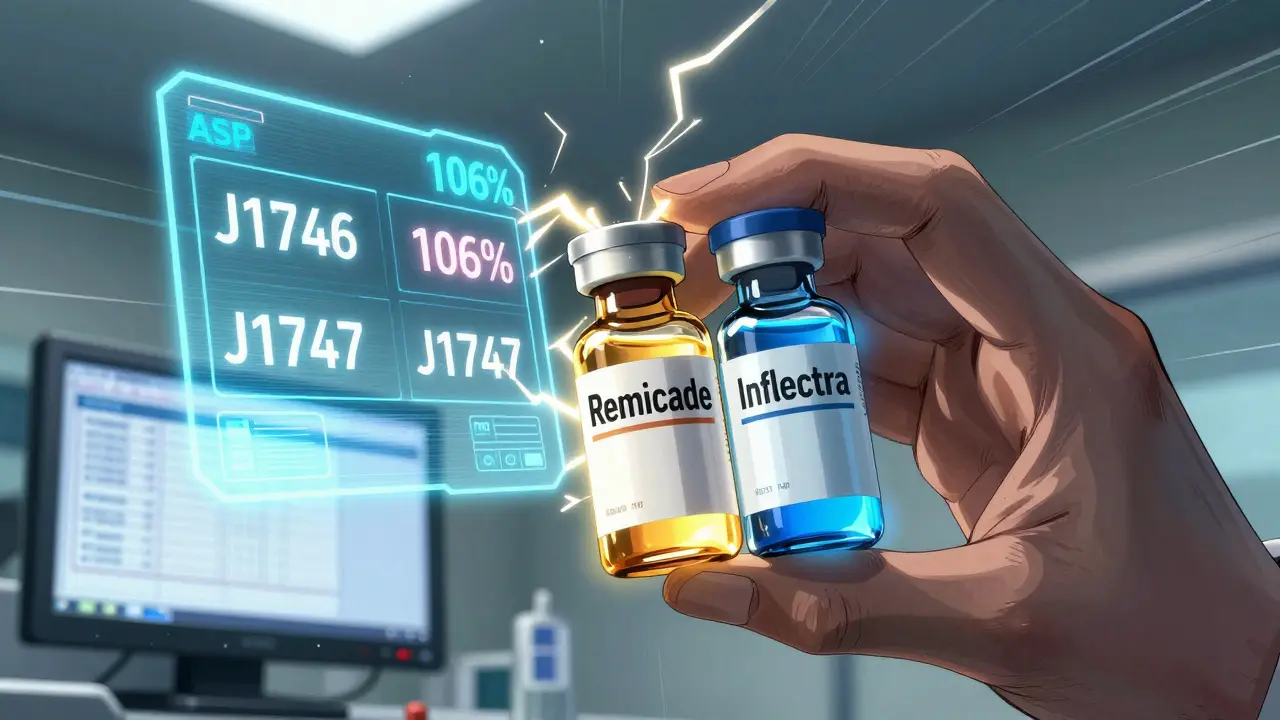
Reimbursement and Coding for Biosimilars: How Billing Works Under Medicare Part B

Biosimilars are billed under Medicare Part B using unique HCPCS codes and a 106% reimbursement formula tied to the reference product’s price. This structure unintentionally discourages adoption, as providers earn more from higher-priced drugs. Learn how billing works, why U.S. adoption lags behind Europe, and what reforms are being considered.

More
Why Generic Drugs Cost 80-85% Less Than Brand-Name Drugs

Generic drugs cost 80-85% less than brand-name drugs because they don't repeat expensive clinical trials or carry patent monopolies. They're chemically identical, FDA-approved, and backed by fierce competition - making them safe, effective, and affordable.

More
Stimulants for ADHD: What You Need to Know About Cardiovascular and Sleep Side Effects

Stimulants for ADHD improve focus but can raise blood pressure and disrupt sleep. Learn the real risks, how to monitor them, and what alternatives exist - backed by the latest research.

More
Grapefruit Juice and Simvastatin: What You Need to Know About Myopathy and Toxicity Risk

Grapefruit juice can dangerously increase simvastatin levels in the blood, raising the risk of muscle damage and kidney failure. Learn why even small amounts matter and what statins are safer to take with citrus.

More