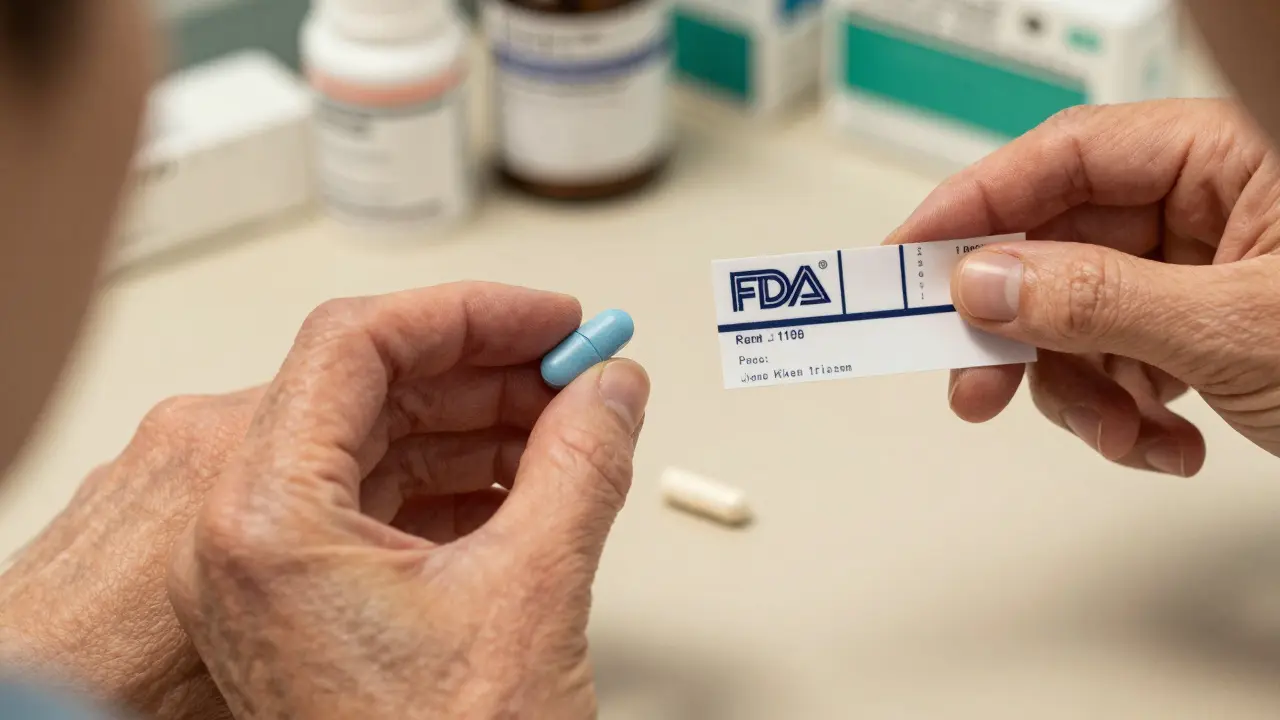

Institutional healthcare communication programs are transforming patient care by teaching evidence-based communication skills to clinicians and teams. These structured trainings reduce errors, improve satisfaction, and save money - but only when they're tailored, integrated, and sustained.
MoreAuthor: Ken Ken - Page 2

Citalopram and escitalopram are effective antidepressants but carry risks of QT prolongation, especially at higher doses. Learn the safe limits, who's at risk, and how to avoid dangerous heart rhythms.
MoreGeneric drug distribution thrives on low prices-but that creates fragile supply chains. Learn how top distributors use data, tech, and smart inventory to keep life-saving medications in stock while fighting razor-thin margins.
MoreLearn how to safely manage contrast dye reactions with updated premedication protocols, including when to use steroids and antihistamines, how to switch contrast agents, and what to do in emergencies.
MoreSwitching to generics can save money but may hurt adherence due to pill changes or nocebo effects. Learn best practices for patients and providers to stay on track. FDA-approved generics work the same, but communication is key. Real-world data shows adherence varies by drug type. Discover proven strategies to overcome challenges.
MoreLearn how creatinine, eGFR, and urinalysis tests detect kidney issues early. Understand what your results mean, who needs testing, and why these simple checks can save your kidneys.
MoreLong-term steroid use can cause rapid bone loss and fractures. Learn proven prevention strategies - from calcium and exercise to bone drugs - that actually work, based on the latest clinical guidelines.
MoreLearn how to report medication side effects to the FDA using the free MedWatch system. Understand what counts as serious, how to file a report, and why your voice helps protect others.
MoreCGMs, smart pens, and diabetes apps are transforming how people manage their blood sugar. Learn how these tools work, who benefits most, and why access and cost still hold many people back.
MoreBiosimilars are designed to match reference biologics, but small manufacturing differences can affect immune responses. Learn why some patients develop anti-drug antibodies and what it means for treatment safety and effectiveness.
MoreEssential guides for doctors on prescribing generic medications, backed by FDA data, real-world outcomes, and practical tools to improve patient adherence and reduce costs.
MoreClinician communication is the most powerful factor in shaping patient trust in generic medications. Clear, confident explanations about FDA standards and bioequivalence can reduce skepticism, prevent nocebo effects, and improve adherence-turning cost savings into better health outcomes.
More