Beers Criteria: What Seniors Need to Know About Risky Medications
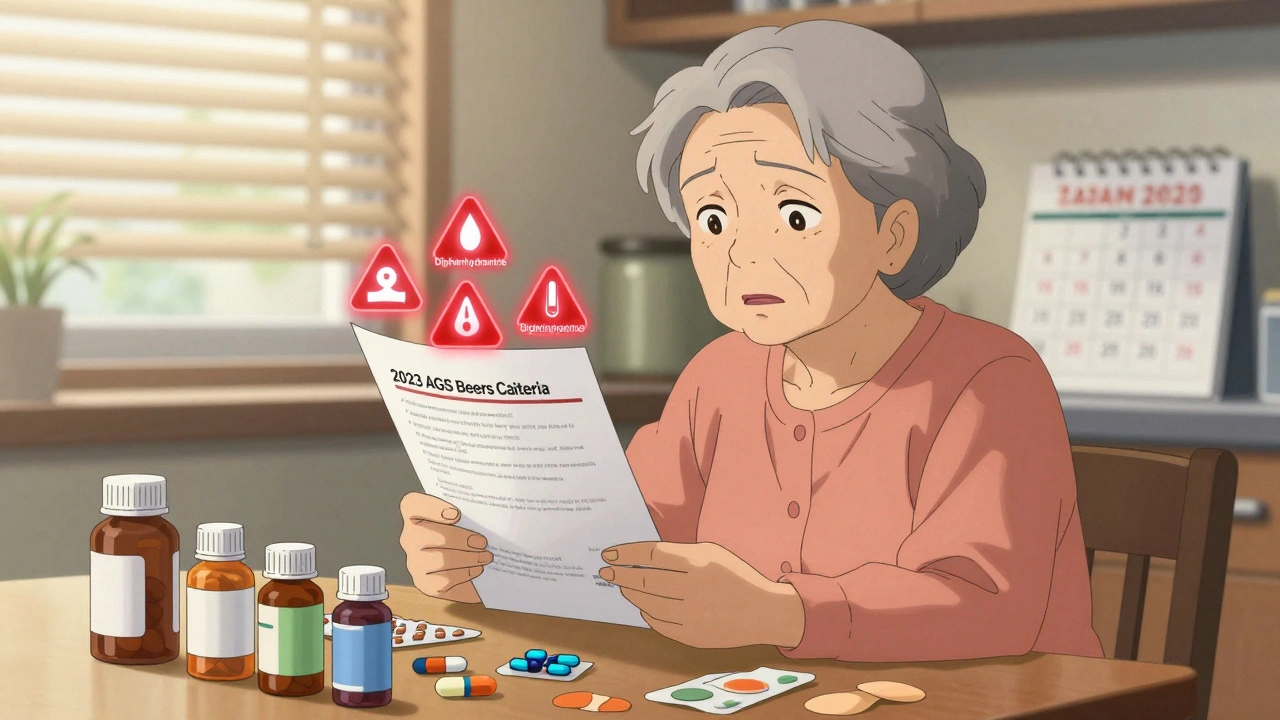
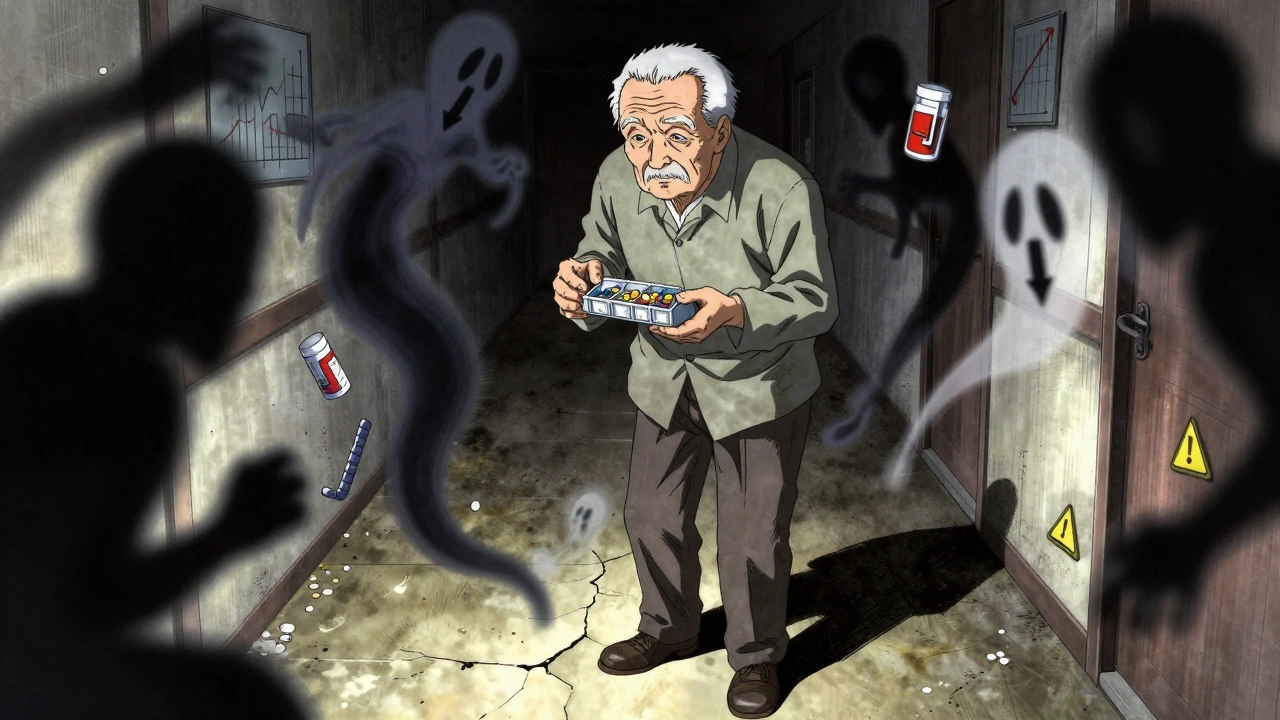
When you’re over 65, some common medications can do more harm than good. That’s where the Beers Criteria, a list of potentially inappropriate medications for older adults, updated regularly by the American Geriatrics Society comes in. It’s not a ban—it’s a warning. These are drugs that increase the risk of falls, confusion, kidney damage, or even death in older people, even when taken exactly as prescribed. Many of these medications are still prescribed because doctors aren’t always trained in geriatric pharmacology, and patients don’t know to ask.
The Beers Criteria includes drugs like diphenhydramine (Benadryl), certain sleep pills like zolpidem, and even some painkillers like long-acting opioids. These are first-generation antihistamines, medications that cross into the brain and cause drowsiness and confusion, and anticholinergic drugs, which block a key brain chemical and can lead to memory loss and delirium. You’ll find these flagged in posts about Beers Criteria because they’re exactly the kind of drugs that show up in Medicare reviews, pharmacy warning labels, and medication error reports. Even something as simple as an over-the-counter sleep aid can be dangerous if you’re taking it with another sedative or thyroid medicine.
It’s not just about avoiding bad drugs—it’s about knowing what to ask for instead. Many of the posts in this collection show how people are switching from risky medications to safer alternatives: using physical therapy instead of opioids for pain, choosing levocetirizine over Benadryl for allergies, or timing calcium supplements so they don’t block antibiotics. The Medicare Annual Medication Review, a free service that helps seniors review all their medications with a pharmacist is one of the best tools you have to catch these issues before they hurt you.
If you or a loved one is taking multiple prescriptions, the Beers Criteria isn’t something to ignore—it’s something to use. Bring it to your next doctor visit. Ask: "Is this on the Beers list?" "Is there a safer option?" "Could this be causing my dizziness or memory problems?" The answers might save you from a hospital stay, a fall, or worse. Below, you’ll find real stories and practical guides on how to spot dangerous drug combinations, understand pharmacy labels, and fight insurance denials when a generic doesn’t work. This isn’t theoretical—it’s life-saving information, written for people who just want to stay healthy without risking their next prescription.
9
Dec
Medications That Are High-Risk for Seniors: What to Review
Ken Ken
Learn which medications are most dangerous for seniors, why they’re risky, and what safer alternatives exist. Use the Beers Criteria to review prescriptions and reduce fall, confusion, and hospitalization risks.
More
4
Dec
Falls and Medications: Which Drugs Increase Fall Risk for Seniors
Ken Ken
Many common senior medications increase fall risk by causing dizziness, low blood pressure, or confusion. Learn which drugs are most dangerous and how to reduce risk through medication review and deprescribing.
More