
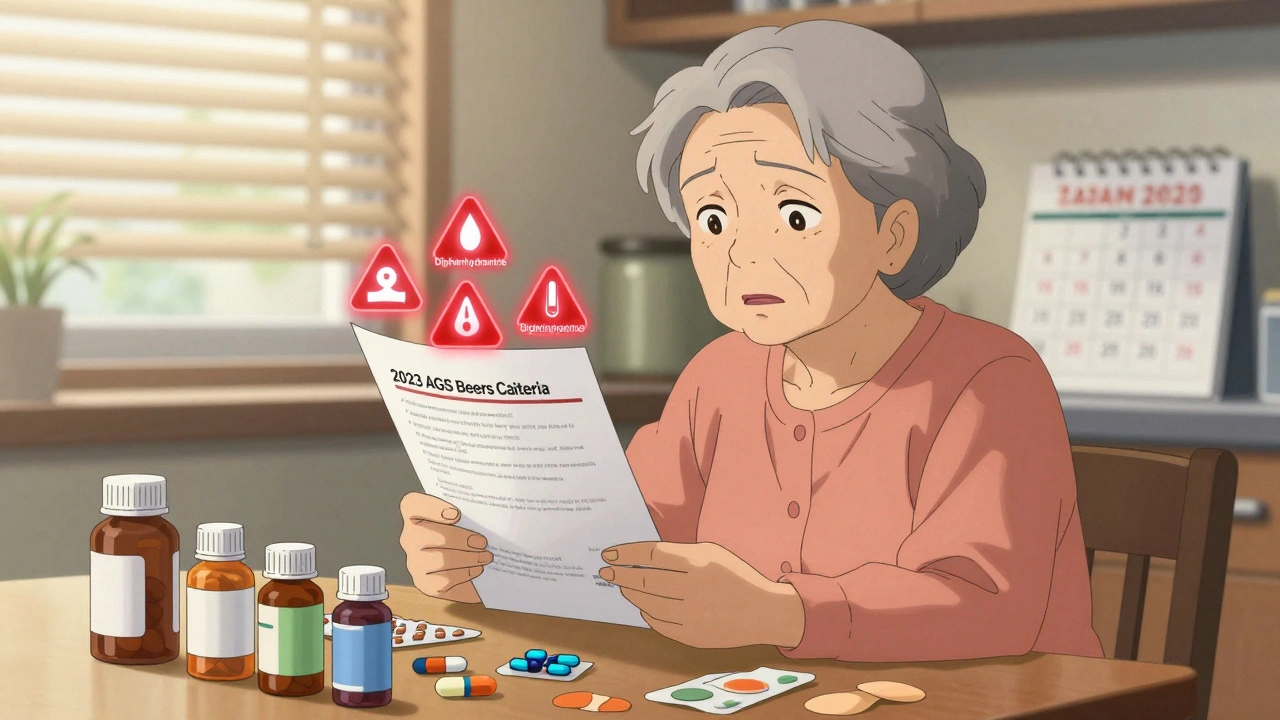
Every year, tens of thousands of seniors end up in the hospital-not because of a fall, infection, or heart problem-but because of a medication they were told was safe. It’s not a rare mistake. It’s systemic. And it’s preventable.
Why Seniors Are More Vulnerable to Medication Risks
As we age, our bodies change in ways most people don’t realize until it’s too late. The liver and kidneys don’t process drugs the same way they did at 40. Muscle mass drops, fat increases, and brain sensitivity to certain chemicals rises. What was a harmless dose at 55 can become dangerous at 75.Take zolpidem (Ambien), a common sleep aid. For a 30-year-old, it’s fine. For a 72-year-old, it’s a fall waiting to happen. Studies show seniors on zolpidem have a 2.5 times higher risk of hip fractures due to lingering drowsiness-even the next morning. That’s not a side effect. That’s a safety hazard.
And it’s not just one drug. Nearly 40% of older adults take five or more medications daily. That’s called polypharmacy. And with each added pill, the chance of a bad interaction, overdose, or hidden side effect grows. The CDC says this leads to over $177 billion in preventable hospital costs every year in the U.S. alone.
The Beers Criteria: The Gold Standard for Safe Prescribing
If you’re a senior or caring for one, you need to know about the AGS Beers Criteria. First created in 1991 by Dr. Mark Beers and updated every two years, it’s the most trusted guide in the U.S. for identifying medications that are risky for older adults.The 2023 version lists 30 classes of drugs and 14 individual medications that should generally be avoided in people over 65. These aren’t random picks. Each was chosen based on real-world data showing harm: falls, confusion, kidney damage, or even death.
Here’s what’s on the list-and why it matters:
- Glyburide (Diabeta®): A diabetes drug that can cause dangerous low blood sugar. In seniors, it triggers hypoglycemia in nearly 30% of users-almost double the rate of safer alternatives like glipizide. Emergency visits from this alone hit 4.2 per 100 patients each year.
- Diphenhydramine (Benadryl®): Found in allergy pills, sleep aids, and even some cold meds. It has a high anticholinergic score (ACB=3), meaning it blocks brain chemicals linked to memory. Long-term use increases dementia risk by 54% after just over three years of daily use.
- Promethazine (Phenergan®): Used for nausea and allergies, but it can trigger severe muscle stiffness, tremors, or seizures in seniors with Parkinson’s or epilepsy. One study found it doubled seizure frequency in patients over 65.
- Nitrofurantoin (Macrobid®): A common UTI antibiotic. But if kidney function is even slightly reduced-which is common in older adults-it can cause deadly lung damage. Mortality from acute reactions hits nearly 20%.
- Benzodiazepines (Valium®, Xanax®, Ativan®): These sedatives increase fall risk by 82% and raise the chance of car crashes by 48% in drivers over 75. The 2023 update added them to the high-risk list for insomnia because long-term use is linked to a 50% higher death rate over five years.
What’s Replacing These Dangerous Drugs?
The good news? There are safer, just-as-effective options for almost every high-risk medication.For sleep problems, ditch zolpidem. Try trazodone-a low-dose antidepressant that’s gentler on the body and doesn’t cause next-day grogginess. Clinical trials show it cuts fall-related ER visits by more than half.
For allergies or nausea, avoid promethazine and diphenhydramine. Use ondansetron for nausea-it’s effective and doesn’t cause drowsiness. For allergies, loratadine or cetirizine are anticholinergic-free and far safer.
For diabetes, swap glyburide for glipizide or even better, metformin. Glipizide has a much shorter half-life, meaning it clears the body faster and rarely causes dangerous lows. Patients who made the switch reported better energy, fewer dizzy spells, and no more midnight panic attacks from low blood sugar.
For chronic pain, avoid meperidine (Demerol®). It breaks down into a toxin called normeperidine that builds up in older kidneys and can trigger seizures. Use acetaminophen instead-or if stronger pain control is needed, low-dose oxycodone with close monitoring.
For high blood pressure, skip alpha-blockers like doxazosin or terazosin. They cause sudden drops in blood pressure when standing, leading to fainting. Studies show they’re 3.2 times more likely to cause syncope than chlorthalidone, a long-acting diuretic that’s safer and more effective for seniors.
How to Do a Medication Review (Step by Step)
You don’t need a PhD to spot red flags. Here’s how to do a simple, effective review:- Collect all meds. Bring every pill bottle, patch, inhaler, and liquid to your doctor or pharmacist. Don’t trust memory. Include over-the-counter drugs and supplements.
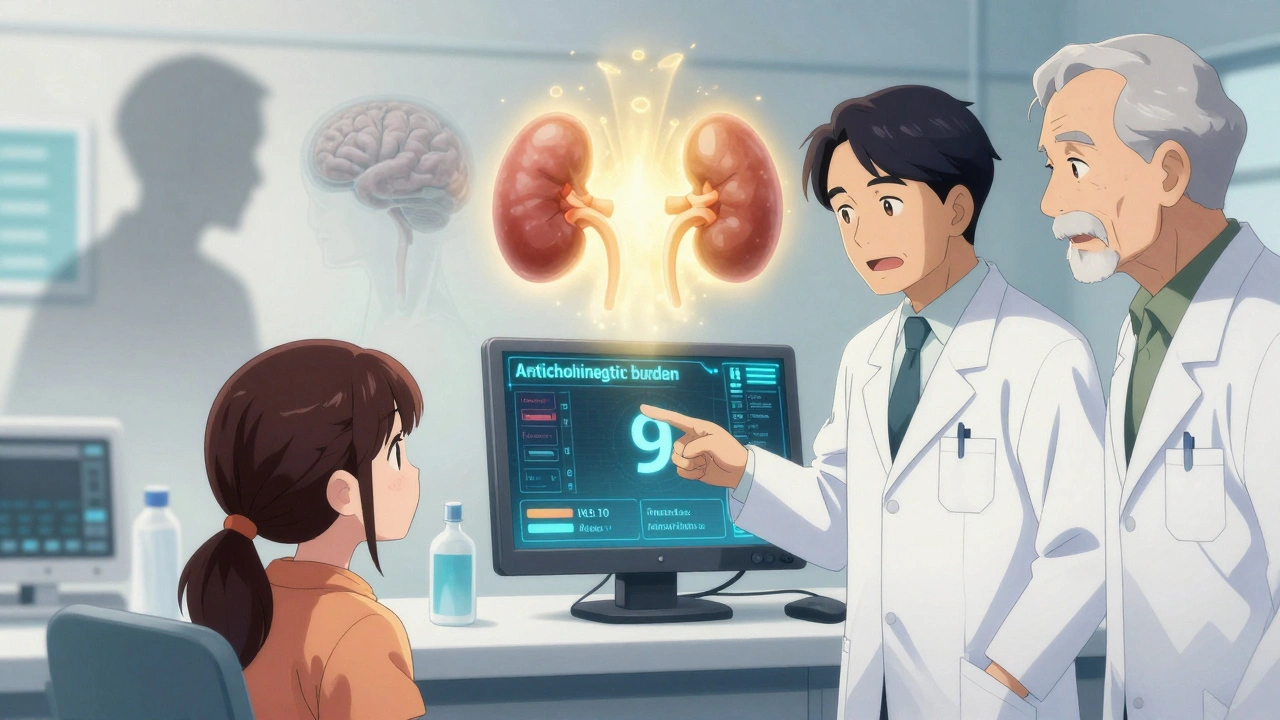
- Check for anticholinergic burden. Add up the ACB scores of all your meds. If the total is 3 or higher, you’re at high risk for memory loss and confusion. Diphenhydramine (3), oxybutynin (3), and amitriptyline (3) are common culprits.
- Ask about kidney function. If your eGFR is below 60, many drugs become dangerous. Ask your doctor to test this at least once a year.
- Ask: “Is this still necessary?” Many seniors stay on meds long after they’re needed. A 2021 study found 27% of seniors were still taking a benzodiazepine they’d been on for 10+ years-despite clear guidelines against it.
- Request a pharmacist consult. Medicare covers Medication Therapy Management (MTM) for people on multiple drugs. A clinical pharmacist can spot interactions you and your doctor might miss.
Real Stories, Real Consequences
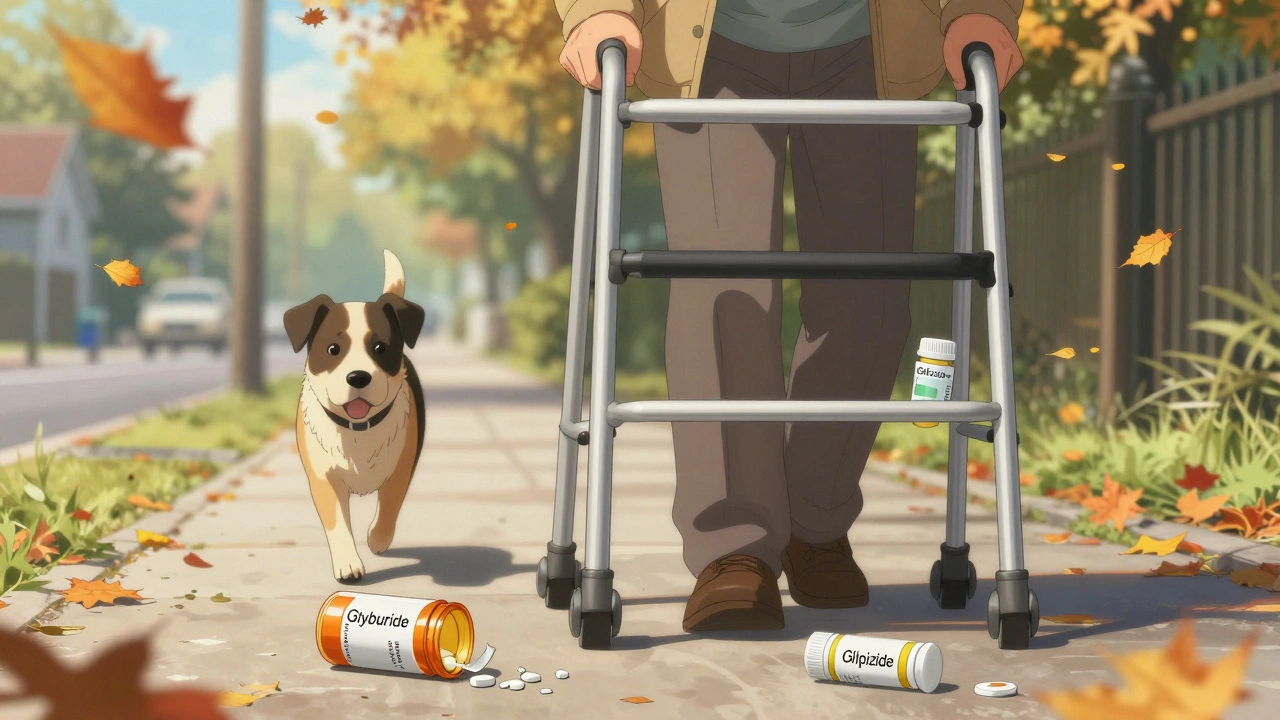
One 78-year-old woman in Ohio was taking amitriptyline for nerve pain. She started having severe constipation, then bowel obstruction. Hospitalized. She didn’t know amitriptyline was an anticholinergic. When switched to duloxetine, her symptoms vanished in weeks.A man in Florida was on glyburide for 15 years. He kept falling-once breaking his wrist. His daughter found out he was on a high-risk drug. After switching to glipizide, he went from needing a walker to walking the dog daily.
On Reddit, hundreds of families share stories like these. One thread titled “Phenergan made my 82-year-old dad act like a zombie” had 142 comments. 73% recommended ondansetron instead. No one said, “It’s fine.”
What’s Changing in 2025?
The system is waking up. In January 2024, Medicare started tying 5% of Advantage plan bonuses to how well they reduce high-risk prescriptions. Pharmacies now use tools like Surescripts that flag Beers Criteria drugs before they’re filled. Electronic health records from Epic and Cerner automatically warn doctors when they try to prescribe zolpidem or glyburide to someone over 65.But the biggest change? Awareness. More seniors are asking questions. More doctors are listening. And more pharmacists are stepping in.
Still, 58% of seniors using risky meds don’t even know there’s a safer option. And only 32% say their doctor ever talked to them about the risks.
If you’re taking five or more medications, don’t wait for your doctor to bring it up. Bring it up yourself.
What to Ask Your Doctor
Next time you’re prescribed something-or refilling an old script-ask these questions:- Is this medication on the Beers Criteria list?
- Is there a safer alternative for someone my age?
- Could this interact with my other meds?
- Can we try stopping this one to see if I feel better?
- Do I really need to take this every day?
There’s no shame in questioning a prescription. In fact, it’s the smartest thing you can do.
What are the most dangerous medications for seniors?
The most dangerous medications for seniors include glyburide (high risk of low blood sugar), zolpidem (increased fall risk), diphenhydramine (linked to dementia), promethazine (can trigger seizures), and benzodiazepines like lorazepam (cause confusion and crashes). These are all listed in the 2023 AGS Beers Criteria as potentially inappropriate for older adults.
How can I tell if a medication is high-risk?
Check if the drug is on the AGS Beers Criteria list. You can search it online using terms like "2023 Beers Criteria PDF." Also, look for anticholinergic drugs-common ones include Benadryl, oxybutynin, and amitriptyline. If you’re taking three or more anticholinergic drugs, your risk of memory problems rises sharply. Ask your pharmacist to run an anticholinergic burden score.
Can I just stop taking a risky medication?
Never stop suddenly. Some medications, like benzodiazepines or certain antidepressants, can cause dangerous withdrawal symptoms-seizures, rebound insomnia, or severe anxiety. Always work with your doctor to taper off safely. Most transitions take 4 to 6 weeks, and adding behavioral therapy (like CBT for insomnia) improves success rates to over 75%.
Why do doctors still prescribe these risky drugs?
Many doctors aren’t trained in geriatric pharmacology. Some prescribe based on habit or because the drug is cheap or familiar. Others assume the patient won’t question it. But awareness is rising. Since 2023, 87% of primary care physicians use electronic alerts in their systems that flag Beers Criteria drugs. Still, patient advocacy is key-ask, don’t assume.
Are over-the-counter drugs also risky for seniors?
Yes. Over-the-counter meds like Benadryl, NyQuil, and Unisom are packed with diphenhydramine, which is high-risk for seniors. Even stomach remedies like Pepto-Bismol contain bismuth subsalicylate, which can interact with blood thinners. Always check labels and ask your pharmacist before using OTC drugs, especially if you’re on other prescriptions.
What should I do if my doctor refuses to change my medication?
Ask for a referral to a geriatrician or a clinical pharmacist. Medicare covers Medication Therapy Management (MTM) for people on multiple drugs. These specialists are trained to spot hidden risks and can provide written evidence to your doctor. If needed, get a second opinion. Your safety matters more than sticking with the status quo.
Author

Michelle Edwards
December 11, 2025 AT 06:59Just had my mom’s med review last week-switched her off glyburide and diphenhydramine. She’s been sleeping better, walking without the cane, and even started gardening again. It’s crazy how much better she feels when we stop treating her like a pharmacy inventory.
Neelam Kumari
December 12, 2025 AT 01:59Oh wow, another American ‘senior safety’ article. In India, we just give them whatever’s cheap and hope they don’t die before dinner. Maybe if you spent less time reading Beers Criteria and more time feeding your elders, you’d see the real problem: no healthcare system.
Stephanie Maillet
December 13, 2025 AT 10:23It’s… fascinating… how we’ve created a system where aging is treated like a medical failure… rather than a natural process… and then we medicate the symptoms… while ignoring the root… loneliness… isolation… lack of movement… and yet… we blame the pills…
Raj Rsvpraj
December 15, 2025 AT 07:54Why are you Americans so obsessed with ‘safe’ meds? In India, we don’t need 14-step checklists-our grandmas take 8 pills at once and still run marathons. You’re overthinking this. Just trust the doctor. Or move to a real country.
Aileen Ferris
December 16, 2025 AT 09:51zolpidem? more like zolpiddem. anyway, i heard the real danger is 5G towers making seniors hallucinate. also, the pharma companies are run by lizard people. my aunt took benadryl and saw a unicorn. she’s fine now.
Rebecca Dong
December 18, 2025 AT 08:06THEY’RE HIDING THE TRUTH. EVERY SINGLE ONE OF THESE DRUGS IS PART OF A BIGGER PLOT TO CONTROL THE ELDERLY. BENADRYL? IT’S A SLEEPING AGENT TO MAKE THEM QUIET. GYLBURIDE? DESIGNED TO MAKE THEM WEAK SO THEY’LL NEED MORE CARE. THE CDC IS IN ON IT. I SAW IT ON A FACEBOOK POST.
Sarah Clifford
December 19, 2025 AT 18:40my grandma took benadryl for 20 years and still yelled at the tv. she’s 92. i think we’re overreacting. also, why are doctors so scared of giving people meds? i’d take 10 pills if it meant i didn’t have to think about being old.
Regan Mears
December 21, 2025 AT 15:48I’ve been a geriatric nurse for 22 years. I’ve seen people wake up after stopping benzodiazepines-like they’d been asleep their whole adult life. The change isn’t subtle. It’s life-altering. Please, if you’re reading this, take the time. Talk to your pharmacist. It’s not a burden-it’s a gift to your future self.
Queenie Chan
December 22, 2025 AT 04:42Have you ever considered that maybe the problem isn’t the drugs… but the fact that we’ve turned aging into a disease to be managed, not a chapter to be lived? I mean-why do we assume ‘safe’ means ‘no side effects’ instead of ‘aligned with a meaningful life’? What if the real risk is not taking risks? Like walking outside. Or dancing. Or saying no to a pill just because it’s ‘prescribed’?
Frank Nouwens
December 24, 2025 AT 04:33Thank you for this thorough and well-researched piece. The inclusion of the Beers Criteria and specific pharmacokinetic considerations is both clinically relevant and accessible to laypersons. I particularly appreciate the emphasis on Medication Therapy Management as a Medicare-covered service-it is an underutilized resource of immense value.
Kaitlynn nail
December 25, 2025 AT 05:13Deep. Like, really deep. But isn’t it just… capitalism? We medicate everything. Even sadness. Even aging. Even boredom. We’re not fixing people-we’re packaging them.
David Palmer
December 26, 2025 AT 16:41Ugh, another one of these ‘seniors are fragile’ posts. My dad’s 84 and still drinks whiskey, smokes cigars, and takes 7 pills. He’s fine. You people act like old age is a terminal illness. It’s not. It’s just… life. Stop being so dramatic.
Doris Lee
December 28, 2025 AT 12:40This made me cry. Not because it’s scary-but because it’s so simple. We just need to listen. My mom didn’t know her sleep aid was making her dizzy. She thought it was just ‘getting old.’ We changed it. She started singing again. That’s the win.
Michaux Hyatt
December 30, 2025 AT 07:38As a pharmacist, I run MTM consultations every day. The most common thing I see? People taking 4 anticholinergics and thinking it’s normal. One guy had Benadryl, oxybutynin, amitriptyline, and promethazine. His ACB score was 12. He was confused, constipated, and couldn’t remember his wife’s name. We tapered him off. He remembered her birthday last week. That’s why I do this job.
Jack Appleby
December 30, 2025 AT 12:22While your enumeration of the Beers Criteria is technically accurate, you have neglected to address the confounding variable of polypharmacy’s interaction with socioeconomic determinants of health-specifically, the disproportionate burden on Medicaid recipients who lack access to geriatric pharmacists. Furthermore, your assertion that ‘awareness is rising’ is empirically unsupported by the 2023 JAMA Internal Medicine longitudinal study on prescribing trends in rural primary care. The data show a 12% increase in benzodiazepine prescriptions among seniors between 2020–2023. You are, therefore, propagating a misleading narrative of progress.