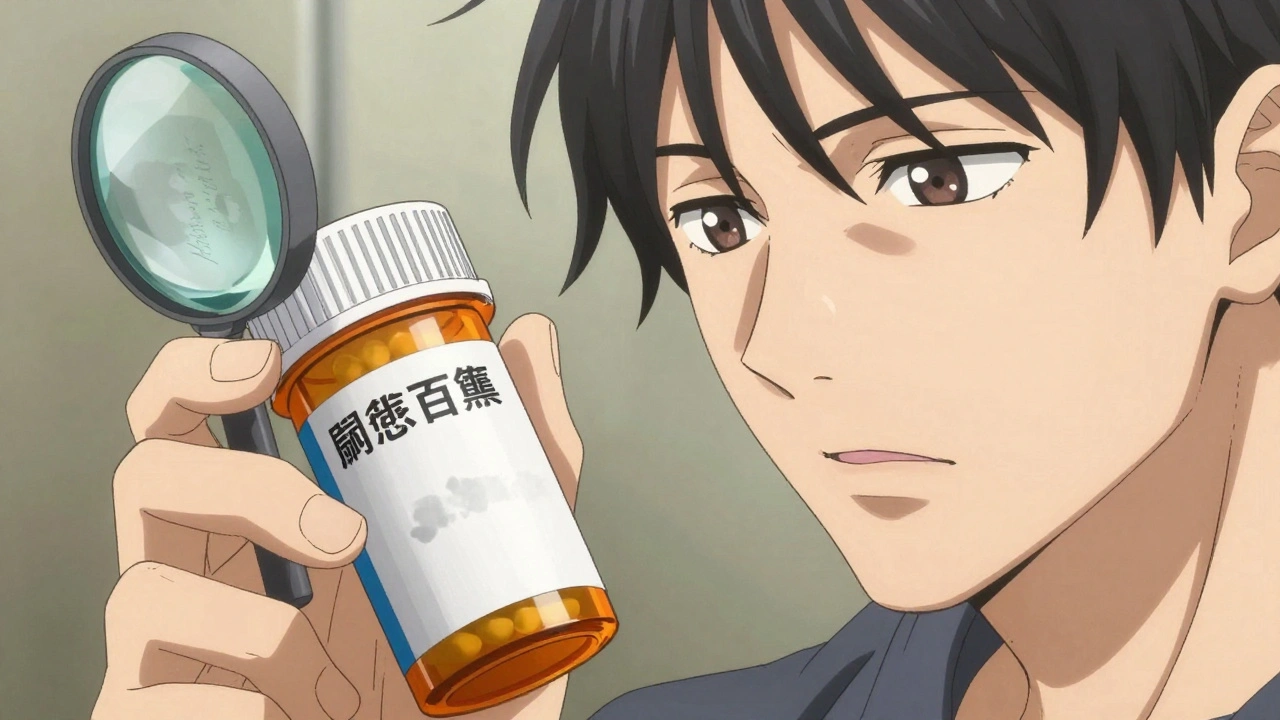
Pharmaceutical Security: Protecting Medications from Counterfeits, Errors, and Supply Chain Risks
When you pick up a prescription, you expect it to be safe, effective, and exactly what your doctor ordered. That’s not just wishful thinking—it’s the goal of pharmaceutical security, the system of rules, tech, and practices designed to ensure medications are authentic, properly handled, and free from tampering or error. Also known as drug safety integrity, it’s the quiet backbone of every pill, injection, and cream you use. Without it, fake drugs, mix-ups, and supply chain gaps could turn treatment into danger.
Pharmaceutical security isn’t just about stopping counterfeit pills. It’s a chain of protections: from drug serialization, the unique digital code on every package that tracks it from factory to pharmacy, to supply chain security, how manufacturers, distributors, and pharmacies use electronic systems to verify every handoff. It’s also about how pharmacies label warnings, how pharmacists catch wrong dosages, and how the FDA stops unsafe generics from hitting shelves. These systems work together to prevent what happened in 2012—when contaminated steroids killed 64 people—because someone skipped the checks.
Today, over 99% of U.S. prescription drugs are tracked through the DSCSA system, which uses barcodes and digital records to trace every item. But security isn’t just tech—it’s human. Pharmacists spot suspicious packaging. Patients check labels for spelling errors or mismatched colors. And when a generic drug doesn’t work, it’s not always the formula—it could be a faulty batch slipping through cracks. That’s why pharmaceutical security includes not just scanners and codes, but also clear warning icons, medication reviews, and the right to appeal if a generic fails you.
What you’ll find below is a collection of real-world stories and facts about how this system works—and where it still fails. From how to spot an authorized generic by its label, to why fiber supplements can block your meds, to how drug shortages force nurses to improvise—each post shows a piece of the puzzle. This isn’t theory. It’s what happens in pharmacies, homes, and hospitals every day. You don’t need a medical degree to protect yourself. You just need to know what to look for.
7
Dec
How to Identify Counterfeit Medication Packaging and Seals
Ken Ken
Learn how to spot fake medication packaging and seals using simple visual checks, UV lights, QR codes, and expert techniques. Protect yourself from dangerous counterfeit drugs with practical, real-world steps.
More