
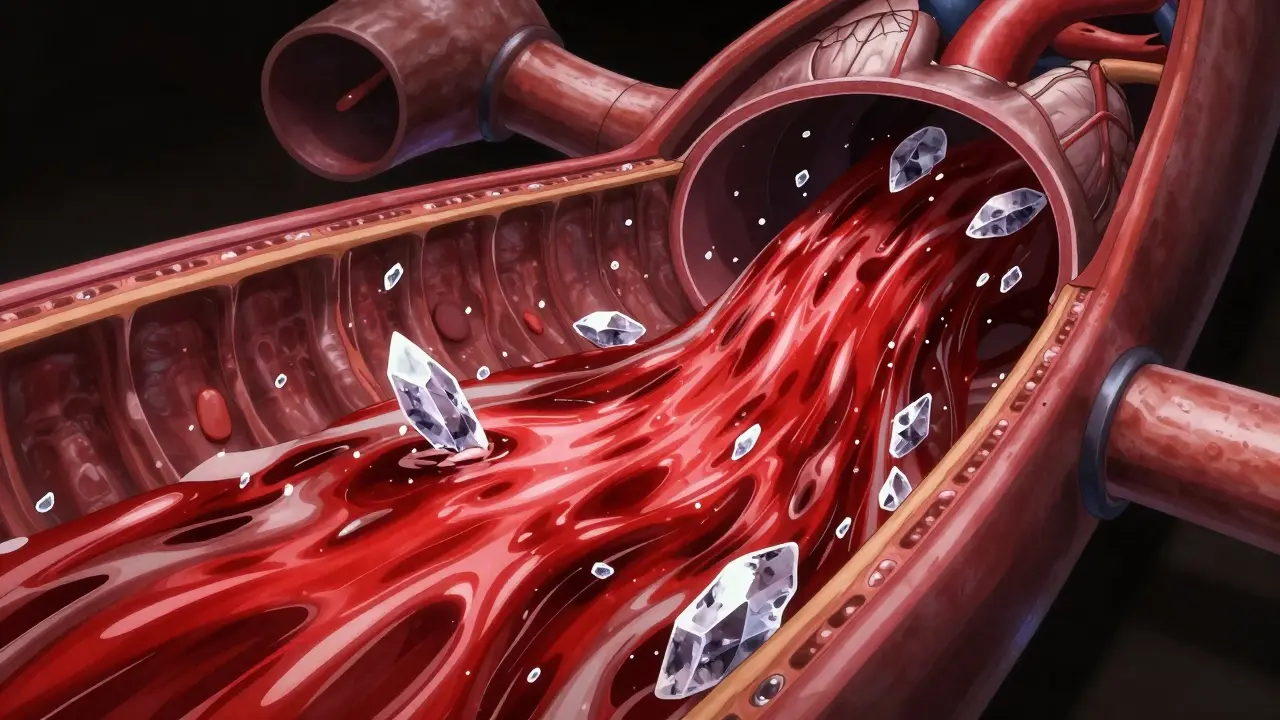
Eating too much salt isn't just about bloating or feeling thirsty. For millions of people, it's a direct ticket to sodium and hypertension, a dangerous combination that puts a massive strain on the heart. Most of us aren't even doing it on purpose; we're just eating the food available to us. But here's the reality: the salt you add at the table is nothing compared to the hidden sodium already baked into your favorite snacks and restaurant meals. If you can get your daily intake down, you can see a measurable drop in your blood pressure in as little as one week.
When you consume too much sodium, your body holds onto extra water to keep the concentration of salt in your blood balanced. This extra fluid increases the total volume of blood in your vessels, which raises the pressure against your artery walls. Think of it like turning up the water pressure in an old pipe-eventually, something is going to give. This is why Hypertension is a condition where the force of the blood against the artery walls is too high, leading to long-term damage to the heart and kidneys.
The Real Numbers: How Much Sodium Is Too Much?
There is often a lot of confusion between salt and sodium. Salt is the compound (sodium chloride), while sodium is the specific mineral that affects your blood pressure. Because of this, the guidelines look different depending on whether you're reading about milligrams or grams.
The World Health Organization (WHO) is an international public health agency recommends that adults keep their sodium intake below 2,000 mg per day, which is about 5 grams of salt. However, if you already have high blood pressure, the American Heart Association (AHA) is a leading organization dedicated to cardiovascular health suggests an ideal limit of 1,500 mg. While that sounds strict, even cutting back by 1,000 mg a day can significantly lower your risk of stroke and heart disease.
| Organization | Daily Sodium Limit | Equivalent Salt Amount | Primary Goal |
|---|---|---|---|
| WHO | 2,000 mg | ~5 grams | General Public Health |
| AHA (Ideal) | 1,500 mg | ~3.75 grams | Optimal Heart Health |
| AHA (Maximum) | 2,300 mg | ~5.75 grams | Upper Acceptable Limit |
Why Some People React Worse to Salt
Have you ever noticed that some people can eat a bag of chips and their blood pressure barely moves, while others see a spike after one salty meal? This is called salt sensitivity. Research shows that about 50% of people with hypertension are "salt-sensitive," meaning their bodies are less efficient at flushing out excess sodium through the kidneys.
In these individuals, sodium causes the small arteries to remodel and stiffen, which increases peripheral resistance. This means the heart has to pump harder to push blood through a narrower, stiffer system. On the flip side, some people are "salt-resistant," but they still benefit from lower sodium intake because it reduces the overall load on the cardiovascular system and prevents endothelial dysfunction-basically, it keeps the lining of the blood vessels flexible and healthy.
Practical Ways to Lower Your Sodium Intake
The hardest part about cutting salt is that 70-75% of the sodium we eat comes from processed foods and restaurants, not the salt shaker on your table. To actually make a difference, you have to change how you shop and eat out.
Master the Nutrition Label
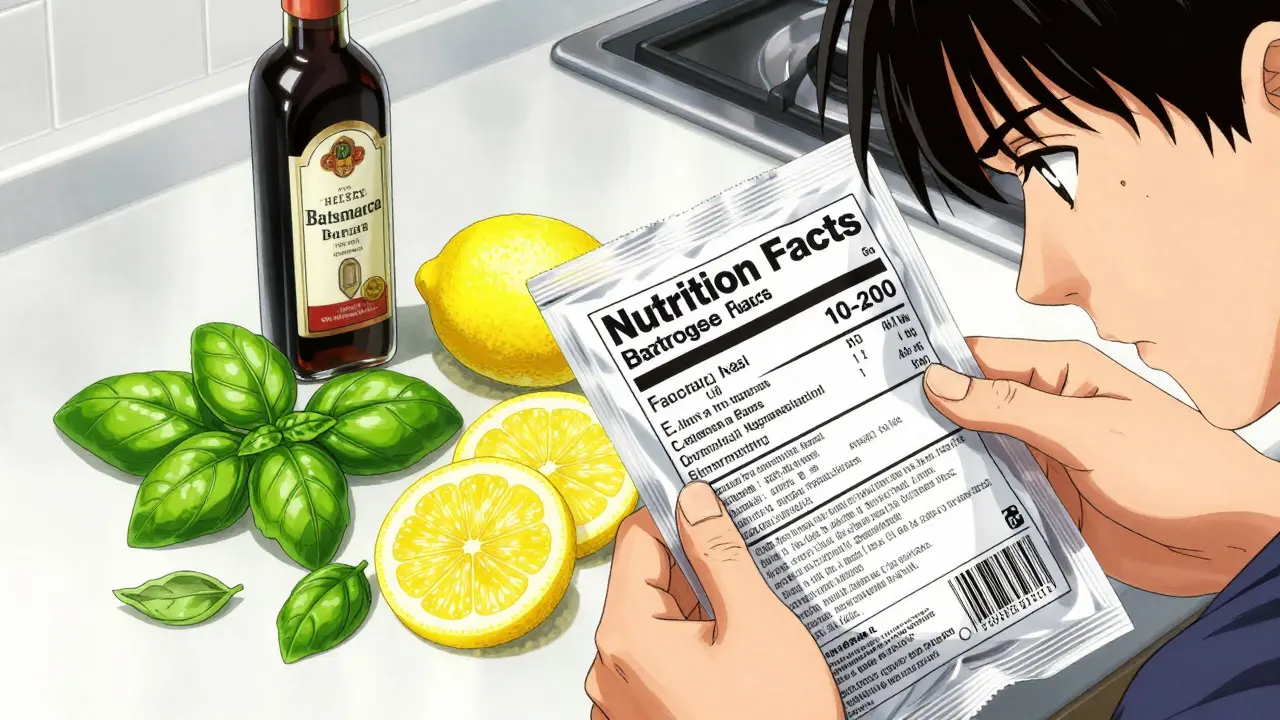
Don't just look at the calories. Look at the "Sodium" line and the "% Daily Value." If a serving has 20% or more of the daily limit, it's considered high. A huge trap is the "per serving" wording; a single bag of chips might say 200 mg per serving, but if the bag contains three servings, you're actually eating 600 mg.
The "Slow Fade" Cooking Method
If you stop adding salt cold turkey, your food will taste bland, and you'll likely give up. Instead, try reducing the amount of added salt in your recipes by about 10% every month. Your taste buds actually adapt over time. Many people report that after 3 to 4 weeks of lower salt, foods they used to love suddenly taste overwhelmingly salty.
Smart Swaps and Flavor Boosters
Salt is just a flavor enhancer. You can get the same "pop" in your food by using acidity and aromatics. Try these substitutes:
- Citrus: Fresh lemon or lime juice mimics the brightness of salt.
- Vinegars: Balsamic or apple cider vinegar adds tang that reduces the need for salt.
- Fresh Herbs: Cilantro, parsley, and basil add complexity.
- Potassium-based alternatives: Using a Salt Substitute is a low-sodium alternative often using potassium chloride to mimic the taste of salt can cut several hundred milligrams per meal. (Note: Always check with your doctor if you have kidney issues before using potassium substitutes).
Navigating Restaurants
Eating out is where most sodium targets are destroyed. A single fast-food meal can easily hit 2,500 mg. To keep it under control:
- Ask for dressings and sauces on the side. Dipping your fork instead of pouring the sauce can save you up to 500 mg per meal.
- Choose grilled over fried. Battered and fried foods are often heavily brined in salt.
- Beware of "Healthy" Salads. Salads with processed cheeses, croutons, and heavy dressings are often sodium bombs.
The Power of the DASH Diet
If you want a structured plan, the DASH Diet (Dietary Approaches to Stop Hypertension) is an eating plan rich in fruits, vegetables, and low-fat dairy designed to lower blood pressure is the gold standard. It doesn't just focus on removing sodium; it focuses on adding potassium, calcium, and magnesium.
The magic of DASH is the synergy between low sodium and high potassium. Potassium helps the kidneys flush out excess sodium and eases tension in your blood vessel walls. When you combine a low-sodium limit with a high-potassium intake, the reduction in systolic blood pressure is significantly greater than just cutting salt alone. For some, this approach can drop systolic pressure by 8 to 14 mmHg, which is comparable to the effect of some blood pressure medications.

Common Challenges and How to Overcome Them
The biggest hurdle for most people is the cost and time associated with fresh foods. Processed foods are cheap and fast, while fresh produce can feel like a luxury. To combat this, try batch-cooking on weekends. Preparing large portions of low-sodium grains, roasted vegetables, and grilled meats saves hours of weekday prep and prevents you from reaching for a salty frozen meal when you're tired.
Another challenge is the "social pressure" of eating. It's hard to be the person asking for no salt at a dinner party. The trick is to focus on adding flavors rather than taking them away. Bring a high-quality olive oil or a lemon-based vinaigrette to share; it shifts the focus to "freshness" rather than "restriction."
Can I eat too little sodium?
Yes, for most people, there is a "sweet spot." While high sodium is dangerous, extremely low levels (under 1,500 mg for certain groups) can sometimes trigger adverse hormonal responses, especially in people with advanced kidney disease or heart failure. It's best to aim for a moderate reduction rather than total elimination.
How long does it take to see a change in blood pressure?
The results can be surprisingly fast. Some studies show that just one week of a low-sodium diet can lead to an average reduction of 8 mmHg in systolic blood pressure for middle-aged and elderly adults.
Are "low sodium" labeled foods always healthy?
Not necessarily. A food can be labeled "low sodium" compared to its original version but still be high in sugar, unhealthy fats, or artificial preservatives. Always check the total milligram count rather than relying on the marketing labels.
Does salt actually taste different after a while?
Absolutely. Your taste receptors are adaptable. After about 2 to 4 weeks of reduced salt intake, your sensitivity to salt increases, making previously "normal" foods taste far too salty.
Will cutting salt mean I can stop taking my medication?
Sodium reduction supports your medication and can make it more effective, but you should never stop or change your prescription without consulting your doctor. Some people are more salt-sensitive than others, and medical supervision is key to safely adjusting dosages.
Next Steps for Your Heart Health
If you're feeling overwhelmed, don't try to change everything today. Start by picking one "sodium bomb" you eat regularly-like a specific deli sandwich or a brand of canned soup-and find a lower-sodium alternative. Once that feels easy, start reading the labels on everything in your pantry.
For those who struggle with consistency, consider using a tracking app for two weeks. Just seeing the numbers adds up-realizing that a "healthy" salad actually contains 1,200 mg of sodium is often the wake-up call needed to make a permanent change. Pair your salt reduction with a walk or a bit of exercise, and you'll be giving your heart the best possible environment to thrive.
Author
