
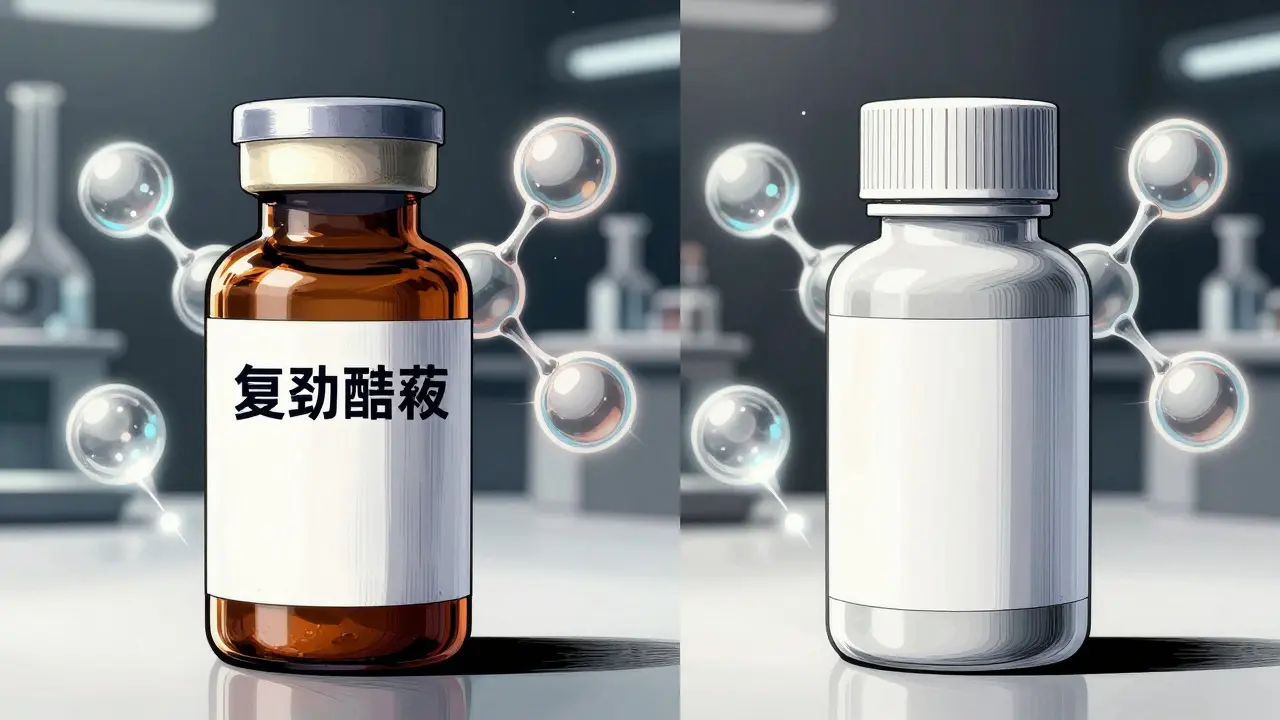
You probably don't think twice when you pick up a generic version of a prescription medication. It's cheaper, it looks different, and it has a different name, but you trust it to work exactly like the brand-name version. Why? Because there is a massive, invisible machinery of oversight ensuring that the pill in your hand is chemically and functionally identical to the original. The FDA is the U.S. Food and Drug Administration, the federal agency responsible for protecting public health by ensuring the safety, efficacy, and security of human and veterinary drugs, biological products, and medical devices . When it comes to generics, the FDA doesn't just take a company's word for it; they enforce a rigid system of checks that start long before a drug hits the pharmacy shelf.
The Shortcut That Isn't a Shortcut: The ANDA Pathway
When a company wants to launch a brand-new drug, they have to spend billions on clinical trials to prove it actually works. Generic manufacturers don't have to repeat those trials, but that doesn't mean they get a free pass. Instead, they use the Abbreviated New Drug Application (or ANDA), a pathway created by the Hatch-Waxman Act of 1984. This allows them to skip the initial safety and efficacy trials by proving the drug is a "copy" of a reference-listed drug (RLD).
To get approved via an ANDA, a manufacturer must demonstrate bioequivalence. This means the generic drug must deliver the same amount of active ingredient into a patient's bloodstream at the same rate as the brand-name drug, typically falling within a tight 90-110% range. If the drug absorbs too quickly or too slowly, it's a failure. This ensures that the patient gets the exact same therapeutic effect regardless of which version they use.
The Gold Standard of Production: cGMP
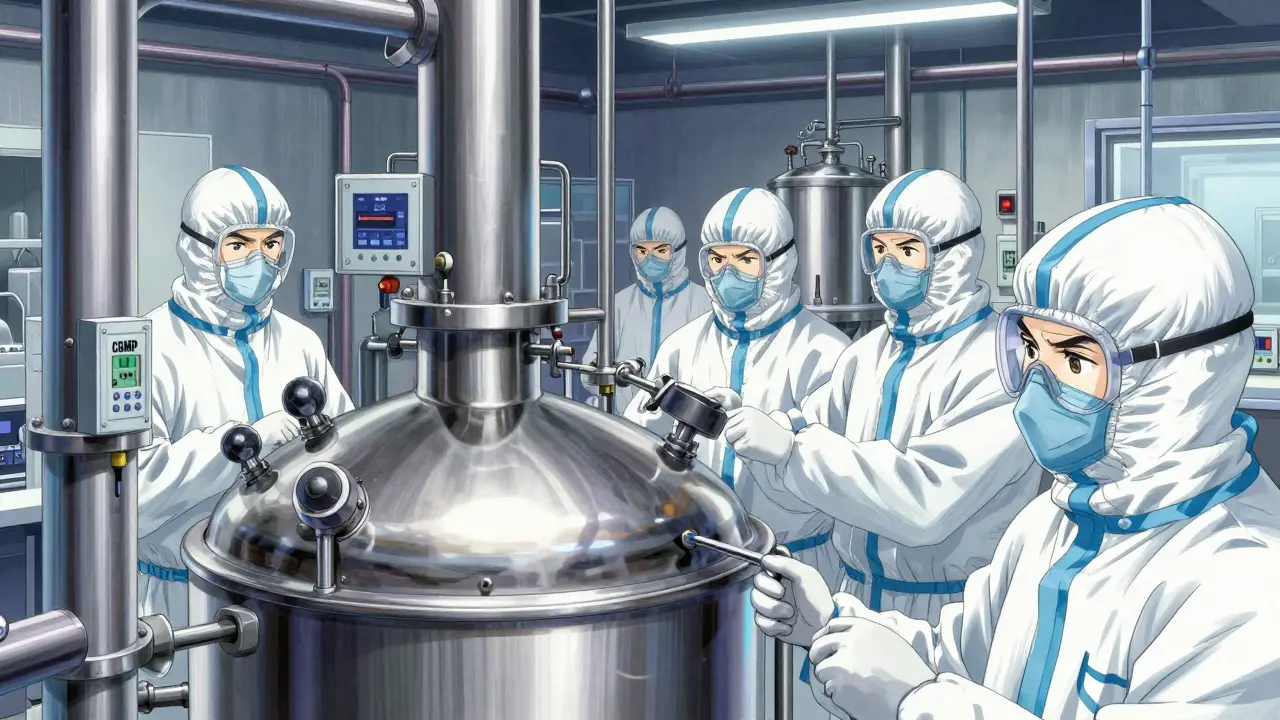
Bioequivalence is about the formula, but manufacturing oversight is about the factory. The FDA mandates that every facility follow current Good Manufacturing Practices (known as cGMP), which are the baseline requirements for ensuring a drug is produced consistently and without contamination. If a company ignores these, the FDA can shut them down or block their products from entering the market.
To maintain cGMP, manufacturers must implement three non-negotiable quality control systems:
- Material Control: Every raw ingredient must be traced from the moment it arrives at the loading dock to the moment it's used in a batch. This prevents the use of tainted or incorrect chemicals.
- Process Controls: Every single step of the manufacturing process must be documented in writing. If a technician changes the temperature of a mixing vat by two degrees, it needs to be recorded and justified.
- Laboratory Testing: Testing doesn't just happen at the end. Raw materials, in-process mixtures, and finished tablets are all subjected to validated lab tests to ensure purity and potency.
| Feature | Brand-Name (NDA) | Generic (ANDA) |
|---|---|---|
| Clinical Trials | Required (Full Phase I-III) | Not Required (Bioequivalence only) |
| Cost to Market | ~$2.6 Billion | $1 Million - $5 Million |
| Timeline | 10-15 Years | 3-7 Years |
| Focus | Safety & Efficacy | Pharmaceutical Equivalence |
Inspections: Watching the Factories
The FDA doesn't just review paperwork; they send people to the sites. These inspections are critical, especially since many Active Pharmaceutical Ingredients (or APIs) are sourced from overseas. The agency uses a risk-based approach to decide who to visit, prioritizing facilities with a history of compliance issues or those producing high-risk medications.
International oversight is a constant challenge. In 2019, the FDA found quality issues in 15% of foreign facilities they inspected, compared to only 8% of domestic ones. To close this gap, the agency launched the Generic Drug User Fee Amendments (GDUFA). By collecting fees from the companies applying for approval, the FDA has been able to hire more inspectors and modernize their review process. In fact, thanks to GDUFA, the time to review a standard application has dropped from an average of 30 months to about 10 months.
Safety After the Sale: Post-Market Surveillance
Once a drug is approved and hitting pharmacy shelves, the oversight doesn't stop. The FDA monitors the entire supply chain, from the raw chemical powders to the final blister pack. They rely heavily on MedWatch, a reporting system where doctors and patients can flag adverse reactions. With roughly 1.3 million reports processed annually, this data allows the Division of Clinical Safety and Surveillance to spot "safety signals"-patterns that suggest a specific generic might have an issue.
If a problem is detected, the FDA has several tools to protect the public:
- Voluntary Recalls: Asking the company to pull a specific batch of drugs from the market.
- Labeling Updates: Forcing the company to add new warnings to the patient insert.
- Healthcare Provider Letters: Sending urgent alerts to doctors to stop prescribing a certain version of a drug.
The Modern Challenge: Complex Generics
Not all drugs are simple pills. Some, like inhalers or topical creams, are "complex generics" because they are incredibly difficult to copy without changing how the drug behaves in the body. The FDA created the Complex Generic Drug Products Initiative to develop specific guidelines for these products. They've expanded their bioequivalence recommendations to cover over 2,800 products, ensuring that even the hardest-to-make drugs meet the same high standards as the originals.
For manufacturers, the stakes are high. The FDA employs a "refuse to receive" policy. If an application is missing key bioequivalence data or manufacturing details, it is rejected immediately before it even enters the review queue. This forces companies to be meticulous, as a single error in documentation can delay a product launch by years.
Is a generic drug exactly the same as a brand-name drug?
Yes, in terms of the active ingredient, strength, dosage form, and route of administration. While "inactive ingredients" (like fillers or dyes) can differ, the FDA requires the drug to be bioequivalent, meaning it performs the same way in your body as the brand-name version.
How does the FDA find out if a generic drug is unsafe?
The FDA uses a combination of continuous facility inspections and post-market surveillance through the MedWatch program. If physicians or patients report unexpected side effects, the Division of Clinical Safety and Surveillance analyzes the data to determine if there is a systemic quality issue with that specific generic product.
Why are some generic drugs approved faster than others?
The complexity of the drug plays a huge role. Simple oral tablets are easier to prove bioequivalence for. Complex generics, like inhalers, require more sophisticated testing and more rigorous review cycles, which can extend the approval timeline.
What happens if a factory fails an FDA inspection?
Depending on the severity, the FDA may issue a warning letter, reject a pending ANDA application, or place the facility on an import alert, which prevents their drugs from entering the U.S. market until the problems are fixed and verified by another inspection.
What is the role of GDUFA in drug safety?
GDUFA allows the FDA to collect user fees from generic drug companies. This money is used to hire more scientists and inspectors, specifically increasing the number of inspections for foreign manufacturing sites to ensure they meet U.S. safety standards.
What's Next for You?
If you are a consumer, the best way to ensure your safety is to use pharmacists who source from reputable manufacturers and to report any unexpected side effects via MedWatch. For those interested in the industry, keep an eye on the GDUFA III implementation through 2027, as it will likely push the FDA toward more real-time data monitoring and even stricter oversight of overseas factories.
Author

Olushola Adedoyin
April 20, 2026 AT 11:19Big Pharma just wants us to believe these 'checks' are real while they ship mystery powder from halfway across the world. Total joke!
Mike Beattie
April 20, 2026 AT 11:38The bioequivalence window of 90-110% is practically a joke for narrow therapeutic index (NTI) drugs where a tiny pharmacokinetic shift causes total toxicity or treatment failure. We're talking about systemic volatility that the ANDA pathway barely addresses in its streamlined form. The regulatory capture here is palpable; the agency is essentially rubber-stamping cGMP compliance based on scheduled audits that any halfway decent facility can prep for in a week. It's a failure of rigorous analytical chemistry in favor of bureaucratic throughput.
Brigid Prosser
April 20, 2026 AT 12:26Right on the money about those overseas factories being a bit of a wildcard. It's a wild ride trying to keep the quality consistent when the supply chain is basically a global game of telephone. Glad to see GDUFA is actually putting some boots on the ground to sort this mess out. It's about time someone stepped up and played hardball with these manufacturing hubs to make sure we aren't swallowing chalk!
Lynn Smith
April 22, 2026 AT 09:42I always feel so much better knowing there's a system like MedWatch to keep things safe!
Tokunbo Elegbe
April 24, 2026 AT 06:13The level of documentation required for cGMP is truly impressive... It ensures that accountability is baked into the process... from the loading dock to the patient!
Tanya Rogers
April 25, 2026 AT 12:19The fascination with the 'invisible machinery' of the FDA is quaint, if slightly naive. One must wonder if the pursuit of affordability via the ANDA pathway has inadvertently fostered a culture of mediocrity, where the goal is no longer excellence in pharmacology but merely the avoidance of a failed audit. The very existence of 'complex generics' is a tacit admission that the original system was insufficient for anything beyond a simple salt tablet. It is a classic case of the regulatory tail wagging the scientific dog.
Shalika Jain
April 25, 2026 AT 15:35Actually, the 90-110% range is totally fine for most people, so why is everyone acting like it's some huge conspiracy? Some of you are just obsessed with sounding smart while ignoring the fact that generic drugs literally save millions of people from bankruptcy every single year. It's honestly embarrassing how some 'experts' here try to gatekeep basic medicine. Just take the pill and be happy it doesn't cost a kidney!
Bob Collins
April 26, 2026 AT 07:48Fair point. The cost-benefit analysis usually leans toward the generic unless you've got a specific sensitivity to the fillers.
Don Drapper
April 28, 2026 AT 02:09The absolute audacity of suggesting that a $1 million to $5 million investment in a generic copycat is 'innovation' is staggering. We are witnessing the systematic erosion of pharmaceutical quality in the name of cost-cutting. The disparity between domestic and foreign facility failure rates is not a 'challenge'; it is a catastrophic breach of public trust. This entire infrastructure is a house of cards waiting for a single systemic contaminant to trigger a global crisis!
dallia alaba
April 29, 2026 AT 04:31For those wondering about the 'inactive ingredients' mentioned, things like lactose or cornstarch can actually cause reactions in some people even if the active drug is the same. That's why it's always a good idea to double-check with your pharmacist if you've switched generic brands and feel a difference. The bioequivalence covers the active part, but your body still reacts to the fillers!
Aman Tomar
April 30, 2026 AT 09:16It is truly heartening to see such rigor in the process. I was unaware that the ANDA pathway was so strict regardin the bioequivalence. It is quite dramatik to realize how much can go wrong with just a few degrees of tempature change in a vat! Truly a marvel of modern science.
Truman Media
May 1, 2026 AT 18:51It is a wonderful thing that we can all access medicine more affordably. This is a great victory for humanity! :) 🌟
Lucy Kuo
May 3, 2026 AT 08:19I find it utterly captivating that such a rigid bureaucracy can be the very thing that grants us the freedom of affordable health! The juxtaposition of the cold, clinical laboratory testing and the warmth of a patient receiving life-saving care is simply poetic. We must embrace this synergy of regulation and compassion to ensure no one is left behind in our quest for global wellness!