
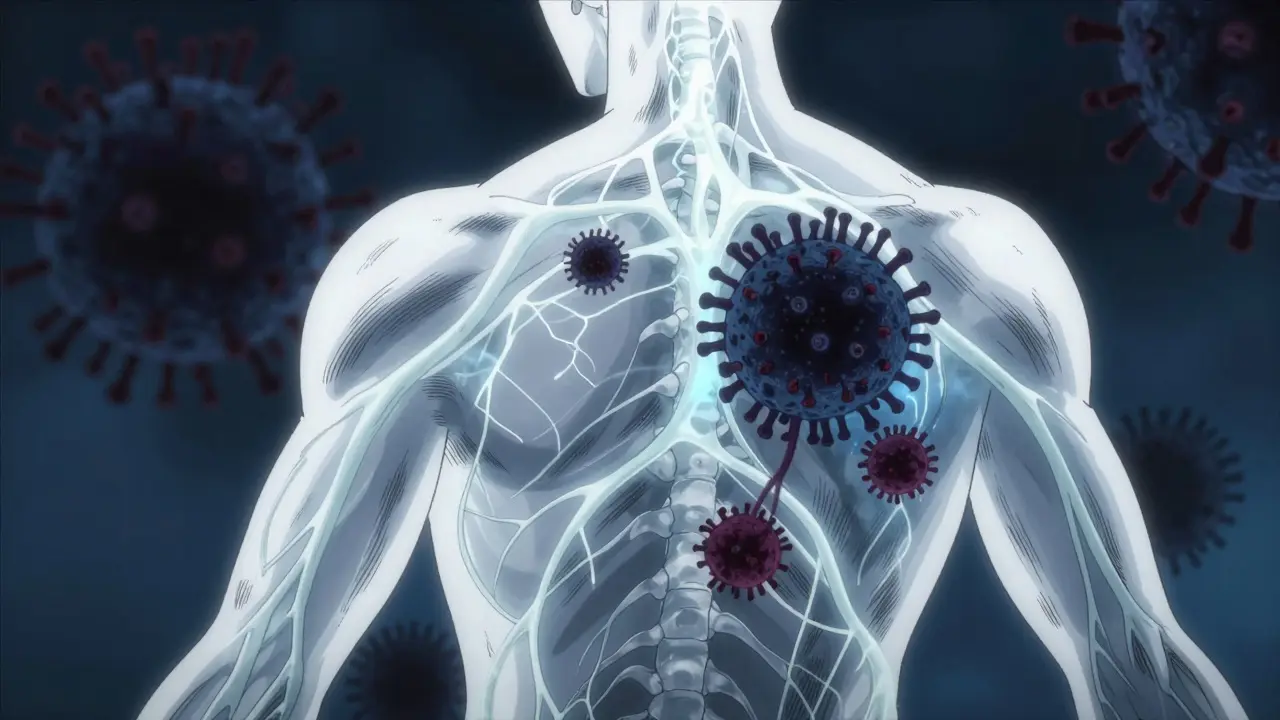
Waking up with that familiar tingling sensation on your lip or noticing a cluster of blisters appearing where they shouldn't is never pleasant. Herpes Simplex Virus, commonly known as HSV, affects millions of people worldwide. According to the World Health Organization, roughly 67% of the global population under age 50 carries HSV-1. While we often associate it with oral cold sores, this virus can cause lesions anywhere on the skin. The good news? You have more control over these outbreaks than you might think.
This guide cuts through the medical jargon to give you clear, actionable steps for preventing recurrences and managing care effectively. We’ll look at why these outbreaks happen, which medications actually work, and how lifestyle changes can keep the virus in check.
Understanding Why Herpes Returns
To stop something, you first need to understand how it starts. After your initial infection, the Herpes Simplex Virus doesn’t leave your body. Instead, it travels up nerve fibers and hides out in sensory ganglia-clusters of nerve cells near your spinal cord. It stays dormant there, essentially sleeping, until something wakes it up.
When reactivated, the virus travels back down the nerve to the skin surface, causing those painful vesicles or ulcers we recognize as an outbreak. This process is called viral shedding. Understanding this cycle is crucial because it explains why topical creams alone often fail-they treat the symptom on the surface but don’t stop the virus traveling from within.
Reactivation isn’t random. Specific triggers push the virus into action. For many, stress is the number one culprit. Surveys indicate that nearly 70% of people report stress as their primary trigger, often experiencing outbreaks within 48 hours of a significant stressful event. Other common triggers include:
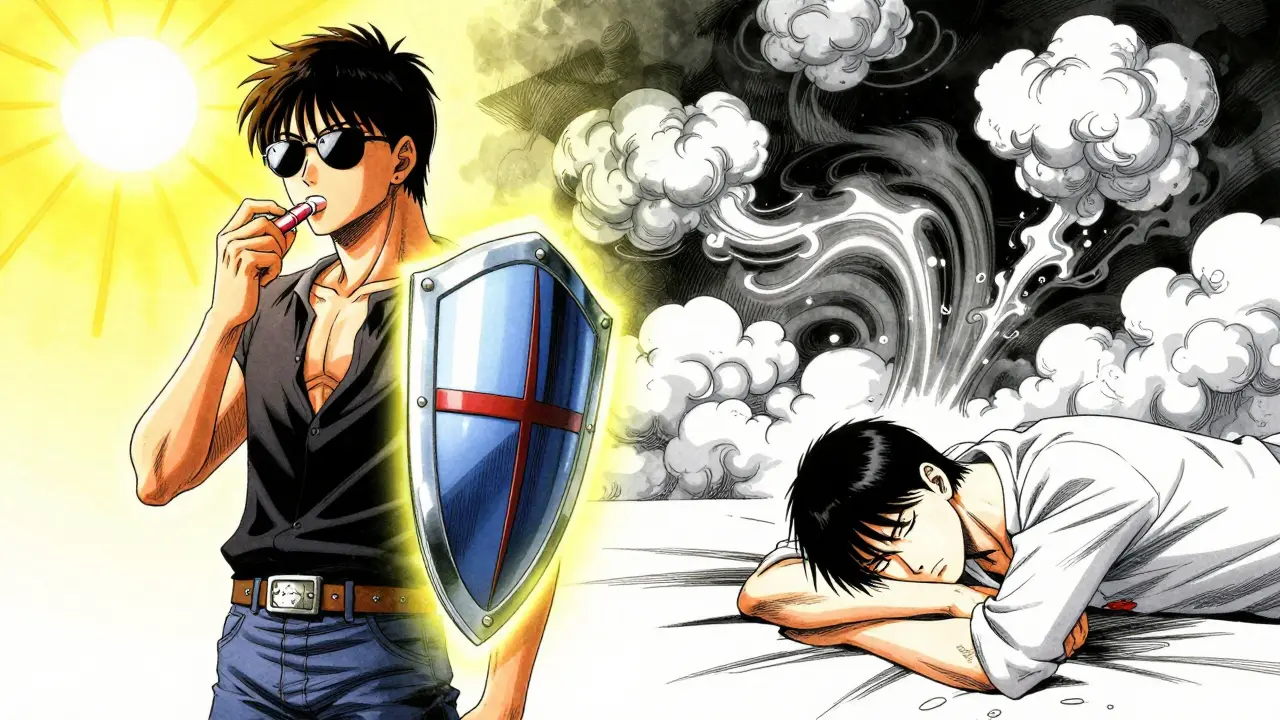
- UV Light Exposure: Sunburns are notorious for triggering labial herpes (cold sores). UV radiation damages skin cells, prompting an immune response that can inadvertently wake up the virus.
- Physical Trauma: Dental procedures, laser resurfacing, or even minor scrapes can initiate an outbreak.
- Weakened Immune System: Illnesses like the flu or conditions that compromise immunity increase recurrence risk.
- Hormonal Changes: Many women report outbreaks linked to their menstrual cycles.
Medication Strategies: Suppressive vs. Episodic Therapy
When it comes to pharmaceutical intervention, you generally have two paths: treating each outbreak as it happens (episodic therapy) or taking medication daily to prevent them (suppressive therapy). The choice depends largely on how frequently you experience recurrences.
Suppressive Therapy involves taking antiviral medication every day. This approach is highly effective for people who suffer from frequent outbreaks-typically defined as six or more per year. Studies show that daily suppressive therapy can reduce recurrence frequency by 70-80%. It also significantly lowers the amount of viral shedding, which helps protect partners from transmission.
The three main antiviral drugs used are:
- Acyclovir (Zovirax): The original standard. It requires multiple doses per day due to lower bioavailability (only 10-20% of the drug is absorbed).
- Valacyclovir (Valtrex): A prodrug that converts to acyclovir in the body. It has superior bioavailability (around 55%), allowing for less frequent dosing. This is often the preferred choice for convenience.
- Famciclovir (Famvir): Another effective alternative with similar efficacy profiles.
If you have infrequent outbreaks, Episodic Therapy might be more cost-effective. This involves starting medication at the very first sign of prodrome-the tingling, itching, or burning sensation before any visible sore appears. Timing is everything here. Starting treatment within one hour of prodrome symptoms can reduce healing time significantly. Once the blister has formed, the medication’s effectiveness drops by about half.
| Medication | Bioavailability | Dosing Frequency | Best For |
|---|---|---|---|
| Acyclovir | 10-20% | 3-5 times daily | Cost-sensitive patients; generic availability |
| Valacyclovir | ~55% | 1-2 times daily | Suppressive therapy; convenience |
| Famciclovir | High | 2-3 times daily | Alternative if others aren't tolerated |
Trigger Management and Lifestyle Adjustments
Medication is powerful, but it works best when combined with smart lifestyle choices. Managing triggers can drastically reduce the number of times you need to reach for the pills.
Sun protection is non-negotiable for those prone to cold sores. Using a lip balm with SPF 30 or higher acts as a physical barrier against UV rays. Data suggests that consistent use of sun protection reduces outbreak frequency by over 75% in susceptible individuals. Apply it generously and reapply every two hours when outdoors.
Stress management is equally critical. Since stress weakens the immune system’s ability to keep the virus latent, techniques like mindfulness, regular exercise, and adequate sleep become medical interventions in themselves. Aim for 7-9 hours of quality sleep nightly to support immune function.
Nutrition also plays a role. Some studies suggest that zinc supplementation (15-30mg daily) may decrease the severity of outbreaks. Additionally, maintaining a balanced diet rich in lysine-an amino acid found in fish, chicken, and dairy-may help inhibit the replication of the virus, though evidence here is mixed. Avoid excessive arginine-rich foods (like nuts and chocolate) during prodrome stages, as arginine can potentially fuel viral replication.
Care During an Outbreak
When an outbreak does occur, proper care minimizes pain and prevents secondary infections. Keep the area clean and dry. Wash your hands thoroughly after touching the lesion to avoid autoinoculation-spreading the virus to other parts of your body, such as the eyes (which can cause serious complications like herpetic keratitis).
Avoid picking or popping blisters. This not only prolongs healing but increases the risk of bacterial infection. Over-the-counter topical anesthetics containing benzocaine or lidocaine can provide temporary relief from pain and itching. Applying a cool compress can also soothe inflammation.
Remember, the lesion is most contagious when it is active and open. Avoid close contact, including kissing and sharing utensils, towels, or lip balm, until the sore has completely crusted over and healed. For genital herpes, abstain from sexual activity during outbreaks to prevent transmission.
Special Considerations: Cosmetic Procedures
If you are planning any cosmetic procedure involving heat, trauma, or lasers-such as laser resurfacing, Botox, or chemical peels-you must inform your provider about your history of HSV. These procedures are potent triggers.
Standard protocol involves prophylactic antiviral therapy. For example, taking valacyclovir 500mg twice daily starting the day before the procedure and continuing for 10-14 days afterward has shown near 100% efficacy in preventing outbreaks in clinical trials. Never skip this step; an outbreak right after a facial procedure can ruin results and cause significant scarring.
When to See a Doctor
While most HSV cases are manageable at home, certain situations require professional medical attention. Seek immediate care if:
- The outbreak lasts longer than two weeks without improvement.
- You experience severe pain, fever, or swollen lymph nodes.
- Lesions appear near the eyes (risk of vision loss).
- You have a weakened immune system due to HIV, chemotherapy, or organ transplant.
- You suspect a secondary bacterial infection (increased redness, warmth, pus).
Your doctor can prescribe stronger antivirals, assess for resistance (rare but possible), and rule out other conditions that mimic herpes, such as impetigo or eczema herpeticum.
Can herpes simplex go away permanently?
No, currently there is no cure for Herpes Simplex Virus. Once infected, the virus remains in your nervous system for life. However, with proper management, recurrences can be reduced to once a year or less, and many people eventually stop having outbreaks altogether as they age.
Is suppressive therapy safe for long-term use?
Yes, for most healthy individuals, long-term suppressive therapy with valacyclovir or acyclovir is considered safe. Side effects are generally mild, such as headache or nausea. However, patients with kidney issues should monitor renal function, as high doses of acyclovir can affect kidney health.
How quickly should I start medication after feeling tingling?
Ideally within one hour. The earlier you start episodic therapy during the prodrome stage, the more effective it is at stopping the outbreak or reducing its severity. Waiting until blisters appear cuts the effectiveness roughly in half.
Does sunscreen really prevent cold sores?
For many people, yes. UV light is a major trigger for HSV-1 reactivation. Consistent use of SPF 30+ lip balm can reduce outbreak frequency by up to 75% in those sensitive to sunlight.
What is the difference between HSV-1 and HSV-2?
Both viruses can infect the mouth or genitals. HSV-1 is traditionally associated with oral cold sores, while HSV-2 is linked to genital herpes. However, HSV-1 can cause genital infections through oral sex. HSV-2 tends to recur more frequently than HSV-1 when located in the genital area.
Author
