Psychiatric Effects of Steroids: What You Need to Know
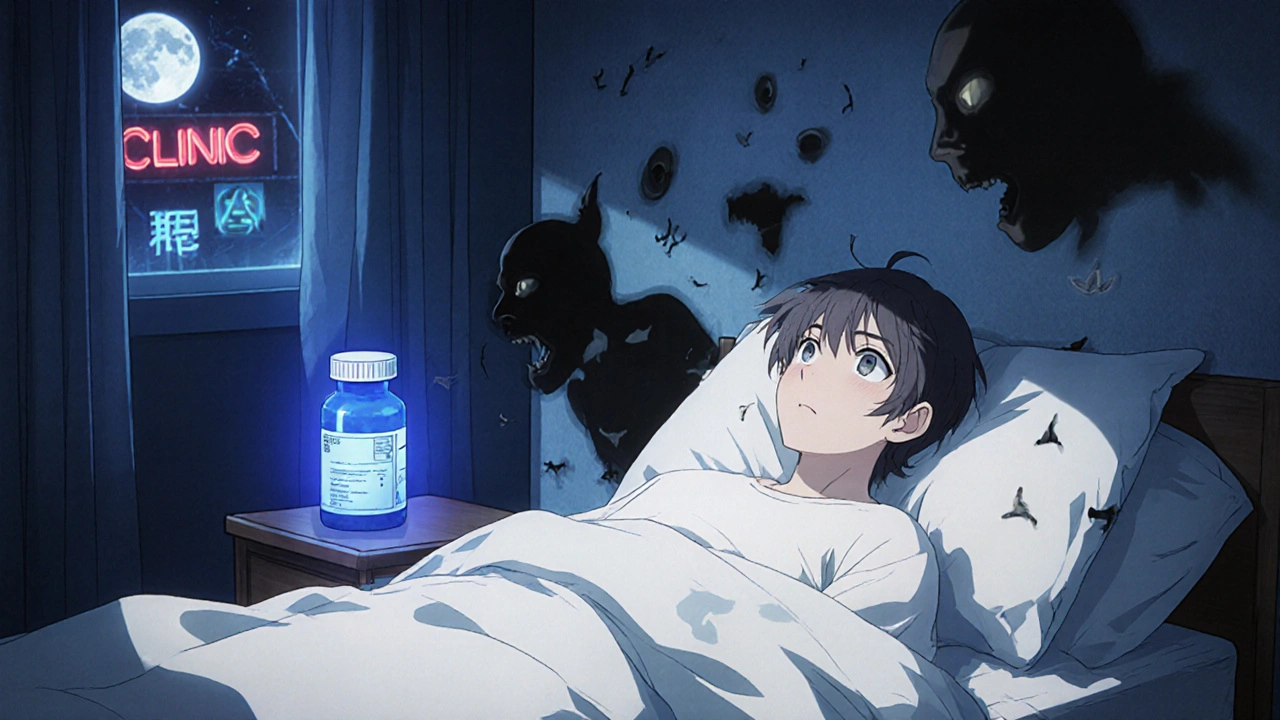
When you take steroids, synthetic versions of cortisol, a hormone your body naturally produces to manage stress and inflammation. Also known as corticosteroids, they’re prescribed for everything from asthma to autoimmune diseases—but they don’t just calm your immune system. They can flip your mood, scramble your thoughts, and in some cases, trigger full-blown psychiatric episodes. This isn’t rare. Studies show up to 1 in 5 people on long-term steroid therapy experience noticeable mental side effects. And it’s not just about feeling "a little moody." Some people develop severe depression, panic attacks, or even hallucinations. These aren’t side effects you can ignore—they can change your life.
The prednisone, a commonly prescribed oral corticosteroid. Also known as Deltasone, it’s one of the most frequent culprits behind psychiatric reactions. But it’s not just prednisone. Other steroids like methylprednisolone and dexamethasone carry similar risks. The higher the dose and the longer you take them, the worse the chances. People with a history of depression, bipolar disorder, or anxiety are at greater risk—but so are people with no prior mental health issues. It doesn’t discriminate. Even short courses of steroids, like a 5-day burst for a flare-up, can cause sudden anxiety or insomnia in otherwise healthy adults. And these effects don’t always show up right away. Sometimes they creep in after weeks, when you’ve already adjusted to the idea that you’re "just tired" or "stressed out."
corticosteroid-induced hyperglycemia, a known metabolic side effect where steroids spike blood sugar. Also known as steroid-induced diabetes, it’s closely tied to brain chemistry changes. High blood sugar doesn’t just damage your kidneys or nerves—it alters neurotransmitter function. That’s why people on steroids often report brain fog, irritability, and emotional numbness. These aren’t just "side effects"—they’re biological signals your brain is under chemical stress. And when you stop the drug, withdrawal can make things worse: depression, insomnia, and even suicidal thoughts can appear as the steroid leaves your system.
What’s missing from most doctor visits is a simple question: "Have you noticed any changes in your mood or thinking?" Too often, patients chalk it up to stress, aging, or the illness itself. But if you’re on steroids and suddenly feel more angry, anxious, or detached than usual, it’s not in your head—it’s in the medication. You don’t need to suffer through it. Tracking your mood, talking to your doctor about alternatives, or adjusting your dose can make a real difference. The posts below cover everything from how to spot early warning signs to what safer treatment options exist, including real patient stories and clinical data on when to push back on a steroid prescription. You’re not alone in this. And you don’t have to guess whether it’s you—or the drug.
26
Nov
Mood and Behavioral Changes from Corticosteroids: Understanding the Psychosis Risk
Ken Ken
Corticosteroids can cause serious mood and behavioral changes, including psychosis, especially at high doses. Learn the signs, risks, and what to do if you or a loved one experiences these side effects.
More