First-Generation Antihistamines: What They Are, How They Work, and Why They Still Matter
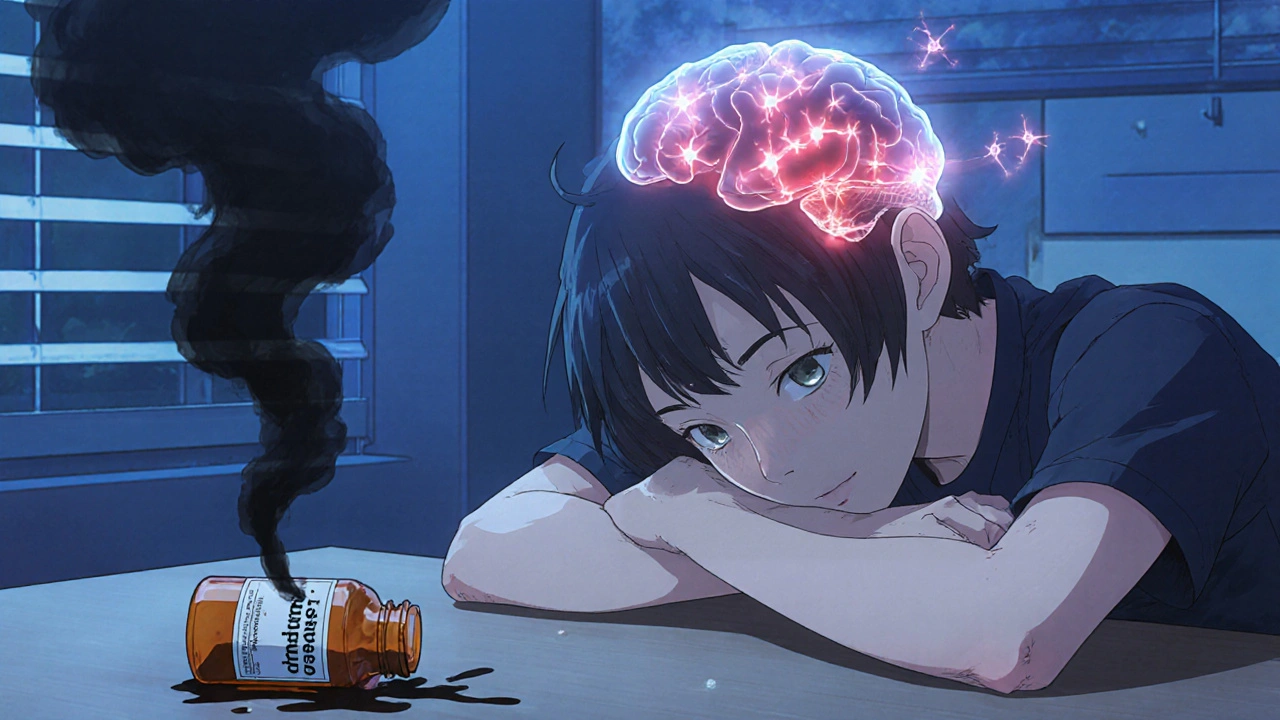
When you think of allergy relief, you might picture non-drowsy pills like loratadine or cetirizine. But first-generation antihistamines, a class of older allergy medications that block histamine receptors but cross the blood-brain barrier, causing sedation. Also known as sedating antihistamines, they include drugs like diphenhydramine and chlorpheniramine—still found in many over-the-counter cold and sleep aids. These drugs were the first to stop sneezing and itching, but they don’t just target your nose—they slow down your brain too.
Why do they still exist? Because for some people, the drowsiness isn’t a side effect—it’s the point. People with severe nighttime allergies, insomnia triggered by itching, or motion sickness often turn to these older meds because they work fast and knock you out. But they’re not harmless. They can blur your vision, dry your mouth, make you clumsy, and even raise your risk of falls, especially in older adults. Studies show that long-term use in people over 65 is linked to higher dementia risk. And while newer antihistamines like levocetirizine avoid these issues, they don’t always work as well for everyone. That’s why doctors still write prescriptions for diphenhydramine, even if it’s not the first choice anymore.
These drugs also show up in unexpected places. You’ll find them in combo cold medicines, sleep gels, and even some skin creams. But if you’re taking multiple products, you might be doubling up without knowing it. That’s why checking labels matters—something you’ll see covered in detail in the posts below. First-generation antihistamines aren’t just outdated relics. They’re practical tools with real trade-offs, used by millions every day. What you need to know is when they help, when they hurt, and how to use them safely.
Below, you’ll find real-world guides on how these drugs compare to newer options, how they interact with other medications, and how to spot when a generic version might not be right for you. Whether you’re managing allergies, dealing with nausea, or just trying to sleep, the right info can make all the difference.
22
Nov
First-Generation Antihistamines: Why They Make You Sleepy and How They Affect Your Brain
Ken Ken
First-generation antihistamines like Benadryl cause severe drowsiness and brain fog due to their ability to cross into the brain. They also trigger anticholinergic side effects like dry mouth and confusion - especially risky for older adults. Safer, non-drowsy alternatives exist.
More