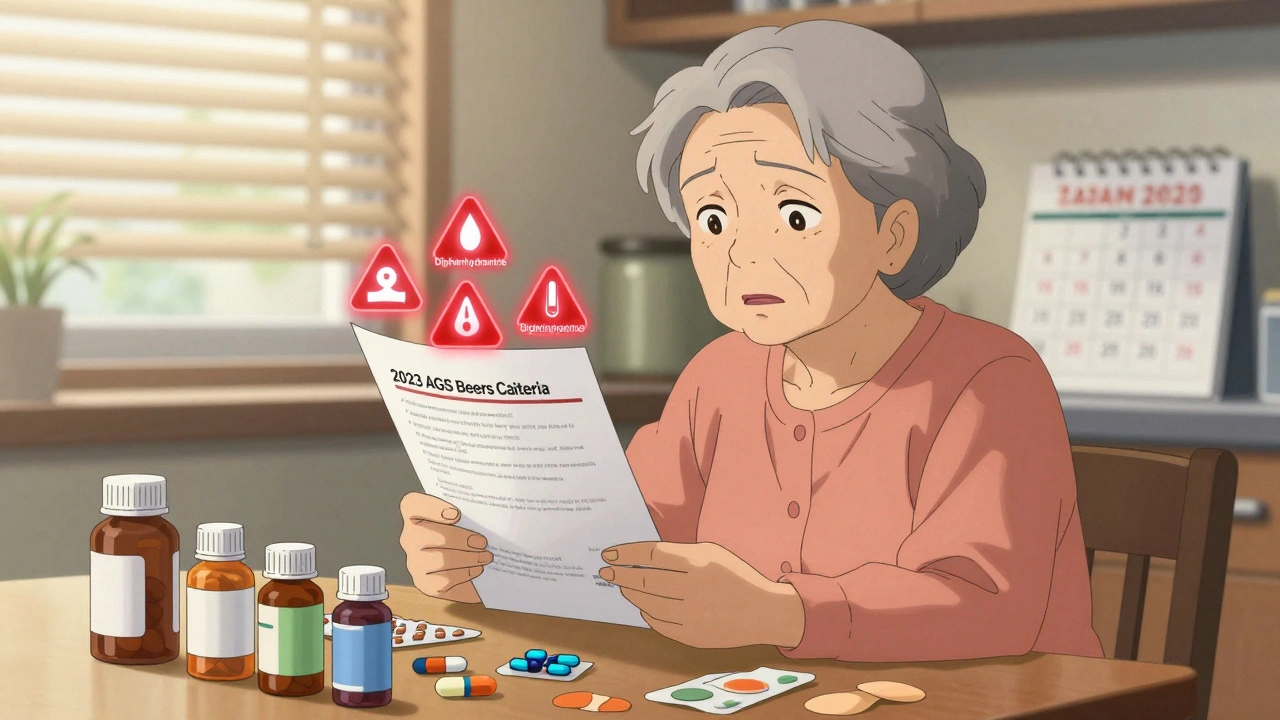
Elderly Medication Review: What You Need to Know to Stay Safe
When older adults take multiple medications, a simple elderly medication review, a structured checkup of all drugs a senior is taking to spot risks and redundancies can prevent hospital visits, falls, and even death. It’s not just about counting pills—it’s about asking if each one still does more good than harm. Many seniors take 5, 10, or more drugs daily, including over-the-counter stuff like antacids or sleep aids, and few of these were ever meant to be taken together long-term. A Medicare medication review, a free annual checkup offered to Medicare Part D enrollees to evaluate drug safety and costs is your legal right, but most people don’t use it properly—or at all.
Why does this matter? Because common drugs like benzodiazepines, anticholinergics, and even some blood pressure pills can cause dizziness, confusion, or low blood pressure—leading to falls that break hips or cause brain injuries. One study found that nearly 1 in 4 seniors on five or more drugs had at least one potentially dangerous interaction. And it’s not just the prescriptions. Supplements like calcium, iron, or melatonin can block antibiotics or thyroid meds from working. A deprescribing seniors, the process of safely stopping medications that are no longer needed or are causing more harm than benefit plan isn’t about cutting corners—it’s about cleaning up clutter. Think of it like decluttering your closet: if you haven’t worn it in a year, why keep it? Same with pills.
What happens during a review? You bring a list—real list, not your memory—of every pill, patch, inhaler, and supplement. Your pharmacist or doctor checks for overlaps, side effects, and whether any drug is being used for a condition it’s not approved for. They look at kidney and liver function, which change with age and affect how drugs are processed. They ask: Is this still helping? Could this be replaced with exercise, physical therapy, or better sleep habits? You’ll also find out if a cheaper generic or a non-drug option could work just as well. And yes, it’s okay to ask, "Can I stop this?"—in fact, you should.
This isn’t just for people in nursing homes. It’s for your mom who takes four pills for blood pressure, one for sleep, one for heartburn, and a daily vitamin with iron. It’s for your dad who’s on an antidepressant and a painkiller that both make him dizzy. It’s for anyone over 65 who’s been on the same meds for years without a real checkup. The system doesn’t remind you—so you have to push for it. The elderly medication review is your best tool to avoid being a statistic.
Below, you’ll find real guides on spotting dangerous drug combinations, understanding warning labels, knowing which meds raise fall risk, and how to prepare for your Medicare review. These aren’t theory pieces—they’re action steps from people who’ve been there. Use them. Your health depends on it.
9
Dec
Medications That Are High-Risk for Seniors: What to Review
Ken Ken
Learn which medications are most dangerous for seniors, why they’re risky, and what safer alternatives exist. Use the Beers Criteria to review prescriptions and reduce fall, confusion, and hospitalization risks.
More