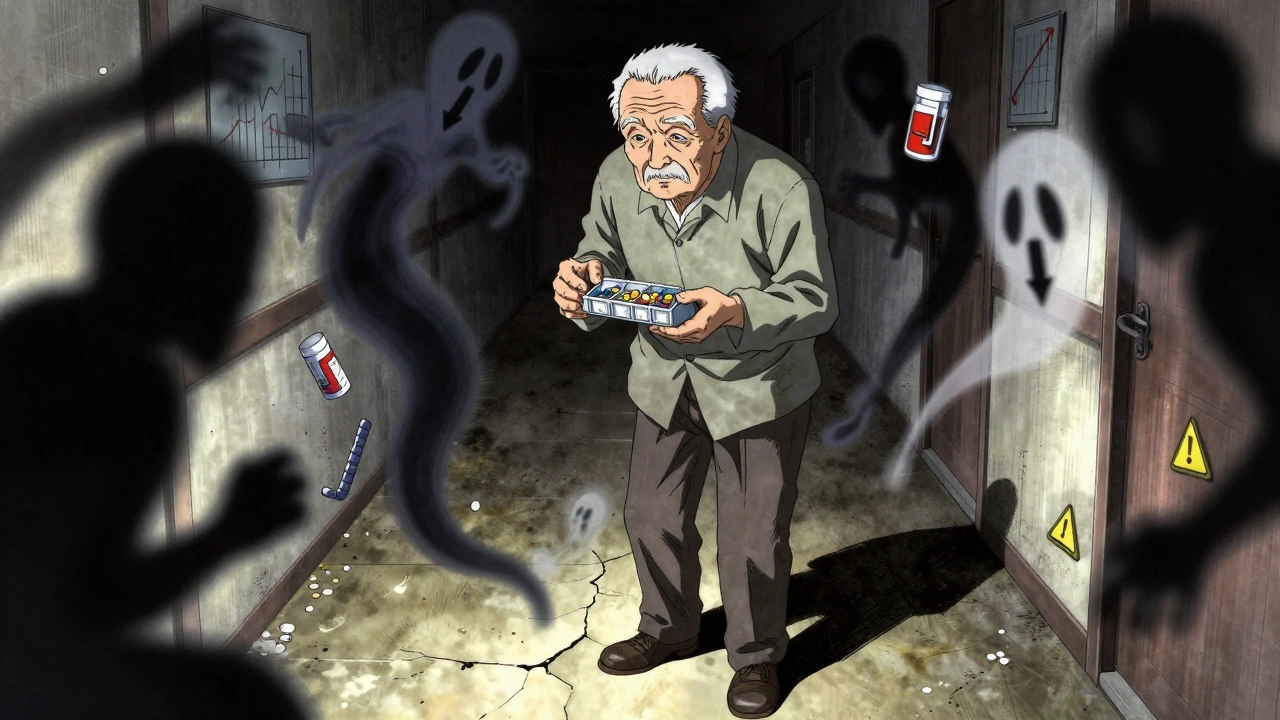
Deprescribing Seniors: Safe Ways to Reduce Unnecessary Medications
When it comes to deprescribing seniors, the process of carefully stopping or reducing medications that are no longer needed or may be harming older adults. Also known as medication reduction in the elderly, it’s not about cutting pills just because they’re old—it’s about making sure every drug still serves a real purpose. Many seniors take five, ten, or even more medications daily. Some were prescribed years ago for conditions that have changed or disappeared. Others interact badly with new drugs, cause dizziness, confusion, or falls, or just add cost without benefit. This isn’t just a pharmacy issue—it’s a daily safety risk.
polypharmacy in elderly, the use of multiple medications by older patients, often leading to harmful side effects. Also known as drug burden, it’s behind many hospital visits that could’ve been avoided. A 78-year-old on blood pressure pills, sleep aids, antacids, painkillers, and an antihistamine for allergies might be taking drugs that cancel each other out or make them groggy. One study found that nearly half of seniors on five or more drugs had at least one potentially inappropriate medication. That’s not normal—it’s a red flag. And it’s why senior drug safety, the practice of reviewing and adjusting medications to minimize harm and maximize quality of life in older adults matters more than ever. The goal isn’t to stop everything—it’s to stop what’s not helping.
Deprescribing isn’t a one-time event. It’s a conversation. It starts with asking: Is this drug still working? Is it causing more trouble than it solves? Could a non-drug option—like physical therapy for pain, better sleep habits, or dietary changes—do the job just as well? Many of the posts below show how common medications like first-generation antihistamines, NSAIDs, and sleep aids can quietly erode health in older adults. Others show how calcium, iron, and fiber supplements can block other drugs from working. And some highlight how Medicare’s annual medication review is one of the few times a senior gets a full checkup on their pill list. These aren’t theoretical concerns. They’re daily realities for millions.
What you’ll find here isn’t a list of rules. It’s a collection of real stories, practical checks, and proven strategies from people who’ve been there. From spotting dangerous interactions to knowing when to ask your doctor to take something off the list, these posts give you the tools to act—not just worry. You don’t need to be a doctor to ask the right questions. You just need to know what to look for.
4
Dec
Falls and Medications: Which Drugs Increase Fall Risk for Seniors
Ken Ken
Many common senior medications increase fall risk by causing dizziness, low blood pressure, or confusion. Learn which drugs are most dangerous and how to reduce risk through medication review and deprescribing.
More