

That burning sensation in your chest after a big meal is more than just uncomfortable; it’s a signal that your stomach acid has escaped where it belongs. For millions of people, the solution isn’t a doctor’s appointment but a trip to the pharmacy shelf. You are likely staring at three distinct types of OTC heartburn medications: antacids, H2 blockers, and proton pump inhibitors (PPIs). They all promise relief, but they work in completely different ways, take different amounts of time to kick in, and carry different risks if you use them incorrectly.
Picking the wrong one can mean waiting hours for relief or dealing with side effects that make things worse. Understanding the mechanics behind these drugs helps you choose the right tool for your specific situation, whether you need instant comfort or long-term protection.
The Quick Fix: How Antacids Work
Antacids are the oldest and simplest class of heartburn medication, designed to neutralize existing stomach acid on contact. Think of them as a chemical sponge. When you swallow an antacid, it doesn't stop your body from making acid; it simply cancels out the acid that is already sitting in your esophagus or stomach. This makes them incredibly fast. Most users feel relief within 30 to 120 seconds.
The most common active ingredients you will see are calcium carbonate (found in brands like Tums), magnesium hydroxide (Milk of Magnesia), and aluminum hydroxide. These compounds raise the pH level in your stomach, turning harsh acid into harmless salt and water. Because they act so quickly, they are perfect for occasional heartburn triggered by a specific meal or snack.
However, their power is short-lived. The effects typically last only 30 to 60 minutes. If you have chronic acid reflux, chewing Tums every hour is not a sustainable strategy. There is also a catch known as "rebound acidity." In about 30% of users, particularly those taking high doses of calcium carbonate, the stomach may overcompensate after the antacid wears off by producing even more acid than before. This can leave you feeling worse two hours later than when you started.
- Best for: Occasional, mild heartburn that happens less than once a week.
- Onset: Immediate (under 2 minutes).
- Duration: Short (30-60 minutes).
- Key Risk: Interfering with the absorption of other medications if taken at the same time.
The Middle Ground: H2 Blockers
If antacids are a band-aid, H2 Blockers are medications that reduce the amount of acid your stomach produces by blocking histamine signals. Drugs like famotidine (Pepcid AC) and cimetidine (Tagamet HB) target the parietal cells in your stomach lining. Normally, histamine tells these cells to release acid. H2 blockers intercept that message, telling the cells to dial down production.
This mechanism means H2 blockers are not instant. It takes about 60 to 180 minutes for them to start working. However, once they kick in, they provide relief for 8 to 12 hours. This makes them ideal for predictable heartburn. If you know you are going to eat a spicy dinner or drink alcohol, taking an H2 blocker an hour beforehand can prevent the symptoms from starting in the first place.
H2 blockers are generally considered safer for longer-term use than PPIs, but they do have limitations. A phenomenon called "tachyphylaxis" can occur, meaning your body gets used to the drug. After two to three weeks of continuous use, H2 blockers often become less effective. Additionally, while they are potent enough to suppress acid by 60-70%, they may not be strong enough for severe gastroesophageal reflux disease (GERD).
- Best for: Predictable heartburn episodes (1-2 times per week) or nighttime symptoms.
- Onset: Moderate (1-3 hours).
- Duration: Long (8-12 hours).
- Key Risk: Reduced effectiveness after 2-3 weeks of daily use.
The Heavy Hitters: Proton Pump Inhibitors (PPIs)
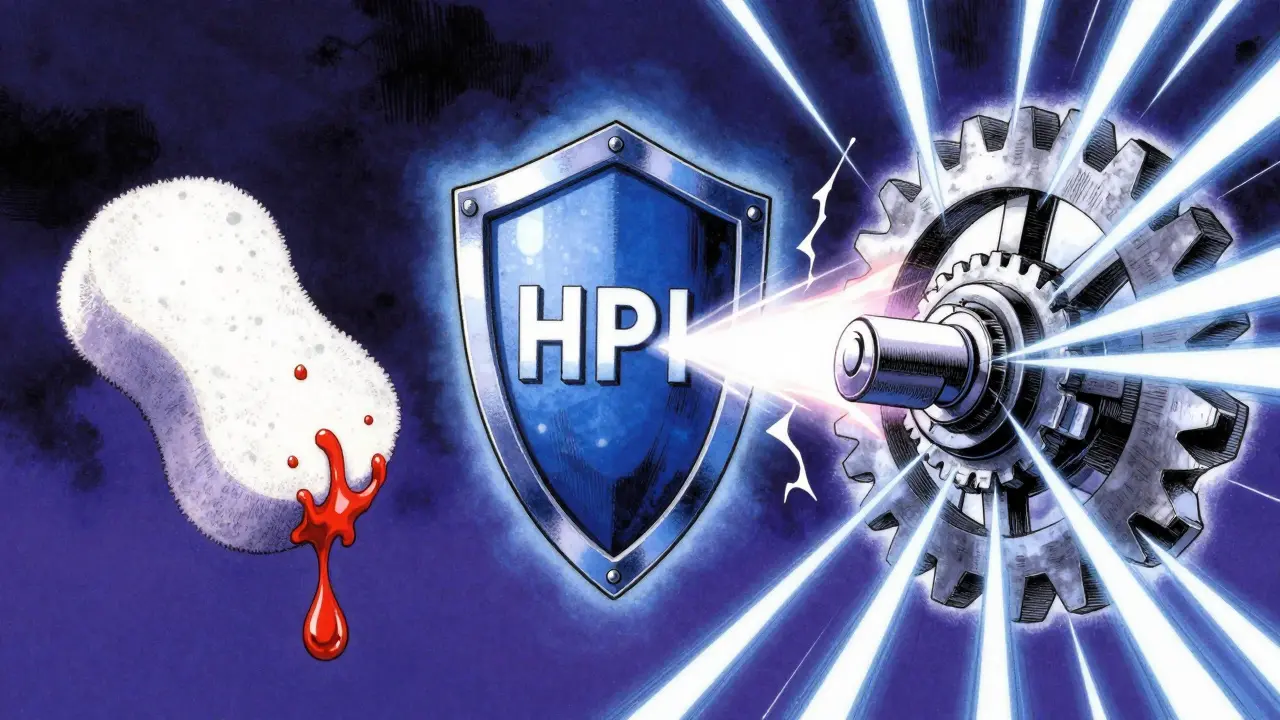
Proton Pump Inhibitors (PPIs) are the most potent OTC acid reducers, permanently disabling the pumps that secrete acid into the stomach. Brands like omeprazole (Prilosec), esomeprazole (Nexium 24HR), and lansoprazole (Prevacid 24HR) target the final step of acid production. They bind irreversibly to the proton pumps in your stomach cells, shutting them down completely.
Because they work by destroying the acid-producing machinery, PPIs are slow to start. It can take 24 to 72 hours of consistent daily use to reach maximum effect. They are not rescue drugs. If you take a PPI during a heartburn attack, it will do nothing for the pain you are feeling right now. Instead, they are designed for frequent heartburn sufferers-those experiencing symptoms two or more days a week.
PPIs offer 90-98% acid suppression, which allows inflamed esophageal tissue to heal. However, this potency comes with strict rules and significant safety warnings. The FDA mandates that OTC PPIs should not be used for more than 14 consecutive days without consulting a doctor. Long-term use has been linked to serious health issues, including an increased risk of Clostridium difficile infection, hip fractures, vitamin B12 deficiency, and kidney damage. Recent studies suggest a 23% increased risk of chronic kidney disease with daily use over a year.
- Best for: Frequent heartburn (≥2 days per week) requiring tissue healing.
- Onset: Slow (1-3 days for full effect).
- Duration: 24-hour coverage.
- Key Risk: Serious long-term side effects if used beyond recommended limits.
Comparison Table: Choosing Your Strategy
| Feature | Antacids | H2 Blockers | PPIs |
|---|---|---|---|
| Active Ingredient Examples | Calcium Carbonate, Magnesium Hydroxide | Famotidine, Cimetidine | Omeprazole, Esomeprazole |
| Time to Relief | Immediate (< 2 mins) | 1 - 3 Hours | 1 - 3 Days |
| Duration of Effect | 30 - 60 Minutes | 8 - 12 Hours | 24 Hours |
| Acid Suppression Level | Neutralizes Existing Acid | 60 - 70% Reduction | 90 - 98% Reduction |
| Recommended Frequency | As needed (Occasional) | 1 - 2 Times Weekly | ≤ 14 Days Consecutive |
| Primary Side Effects | Diarrhea, Constipation, Rebound Acid | Headache, Dizziness | Kidney Issues, Nutrient Deficiency, Infection Risk |
Critical Usage Rules and Pitfalls
Even the best medication fails if you don't use it correctly. Each class has specific timing requirements that drastically affect efficacy.
Antacids and Drug Interactions: Antacids change the pH of your stomach, which can prevent other medications from being absorbed properly. If you are taking antibiotics, thyroid medication, or iron supplements, you must wait at least two hours after taking an antacid before taking your other drugs. Otherwise, you might as well not have taken them at all.
H2 Blockers and Timing: To get the most out of famotidine or cimetidine, timing is everything. Taking them preventatively, about 60 to 90 minutes before a trigger meal, works significantly better than taking them after symptoms start. Many users report diminished returns because they treat H2 blockers like antacids, expecting immediate results.
PPIs and Breakfast: This is the most common mistake. PPIs must be taken 30 to 60 minutes before your first meal of the day. The proton pumps are most active when food hits your stomach. If you take your PPI after breakfast, or with orange juice (which can destroy the enteric coating), the drug won't bind to the pumps effectively. Consistency is key; missing a dose resets the clock on healing.
When to Stop and See a Doctor
While OTC medications are convenient, they mask symptoms that could indicate a more serious condition. You should seek professional medical advice if:
- You have been using PPIs for more than 14 days without a break.
- You experience difficulty swallowing or pain when swallowing.
- You have unexplained weight loss alongside heartburn.
- Your symptoms persist despite following the correct dosage instructions.
- You have dark, tarry stools, which could indicate bleeding in the digestive tract.
Gastroenterologists warn that self-medicating for months can delay the diagnosis of conditions like Barrett's esophagus or ulcers. Use these tools wisely, respect their limits, and don't ignore your body's warning signs.
Can I take an antacid and a PPI together?
Yes, many people combine them. Since PPIs take days to reach full effect, you can use an antacid for immediate relief while the PPI builds up in your system. However, you must separate them by at least two hours. Taking them simultaneously can prevent the PPI from being absorbed properly due to the changed stomach pH caused by the antacid.
Why does my heartburn come back worse after taking Tums?
This is likely "rebound hyperacidity." Calcium carbonate antacids can stimulate the stomach to produce more acid once the neutralizing effect wears off. If you find yourself needing antacids constantly, switch to an H2 blocker or consult a doctor, as this cycle can worsen your condition.
Is it safe to use Pepcid AC every day?
H2 blockers like Pepcid AC are generally safer for longer-term use than PPIs, but they lose effectiveness after 2-3 weeks of continuous daily use due to tachyphylaxis. If you need daily relief for more than two weeks, you should see a doctor to evaluate the underlying cause rather than relying on diminishing returns from H2 blockers.
What are the biggest risks of long-term PPI use?
Long-term PPI use (over a year) is associated with an increased risk of chronic kidney disease, bone fractures (hip, wrist, spine), vitamin B12 and magnesium deficiencies, and certain infections like C. diff and pneumonia. This is why the FDA strictly limits OTC PPI courses to 14 days.
Do generic PPIs work as well as brand names?
Yes. Generic versions of omeprazole, esomeprazole, and lansoprazole are bioequivalent to their brand-name counterparts. They contain the same active ingredients in the same strengths and are subject to the same FDA safety and efficacy standards. Switching to generics can save significant money without sacrificing results.
Author
