
Imagine taking a medication that could turn a simple cold remedy or a slice of aged cheese into a life-threatening emergency. That is the reality for patients on MAO inhibitors, which are a class of older antidepressants that block the enzyme monoamine oxidase to increase levels of neurotransmitters like serotonin and norepinephrine. While these drugs can be lifesavers for treatment-resistant depression, they come with a narrow margin of safety. The risk isn't just about mixing two prescription pills; it involves everyday substances found in your kitchen cabinet and pantry.
You might wonder why anyone would take such a risky medication today. The answer lies in effectiveness. For people who haven't responded to modern antidepressants like SSRIs, MAOIs often work where others fail. However, this power comes at a cost. You must navigate a complex web of chemical interactions. This guide breaks down exactly what to avoid, why these reactions happen, and how to stay safe if you or a loved one is prescribed an MAOI.
How MAO Inhibitors Work and Why They Are Risky
To understand the danger, you first need to understand the mechanism. Monoamine oxidase is an enzyme in your body that breaks down neurotransmitters. When you take an MAOI, you stop this breakdown process. This sounds good because it keeps more serotonin, dopamine, and norepinephrine available in your brain, lifting your mood. But here is the catch: that enzyme also breaks down other chemicals, including tyramine from food and certain drugs.
When the enzyme is blocked, these substances build up to toxic levels. There are two main types of catastrophic reactions: hypertensive crisis and serotonin syndrome. A hypertensive crisis happens when tyramine causes a sudden, massive release of norepinephrine. Your blood pressure can spike from normal to over 200 mmHg in less than two hours. Serotonin syndrome occurs when too much serotonin accumulates, leading to high fever, muscle rigidity, and organ failure. Both conditions require immediate emergency care.
The Hidden Dangers in Over-the-Counter Medicines
The most common mistake patients make is assuming that "over-the-counter" means "safe." With MAOIs, many OTC drugs are strictly forbidden. You don't need a prescription to buy them, but you do need extreme caution.
| Drug Class | Specific Ingredients to Avoid | Risk Type |
|---|---|---|
| Cold & Allergy Meds | Phenylephrine, Pseudoephedrine | Hypertensive Crisis |
| Cough Suppressants | Dextromethorphan (DXM) | Serotonin Syndrome |
| Pain Relievers | Tramadol (prescription strength), Meperidine | Serotonin Syndrome |
| Stimulants/Adderall alternatives | Ephedrine, Caffeine (high doses) | Hypertensive Crisis |
Let's look at dextromethorphan, the active ingredient in most cough syrups. It acts on serotonin receptors. If you combine it with an MAOI, you flood your system with serotonin. There are documented cases of healthy adults requiring intubation after taking just one dose of cough syrup while on selegiline. Similarly, decongestants like phenylephrine stimulate blood vessels. Without the monoamine oxidase enzyme to regulate norepinephrine, your blood vessels constrict violently, spiking your blood pressure to dangerous levels.
Foods That Trigger Hypertensive Crisis
If you have ever been told to avoid aged cheeses, you know the reputation MAOIs have earned. Tyramine is a naturally occurring substance that forms as proteins break down during aging, fermentation, or spoilage. Normally, your body breaks down tyramine quickly. On an MAOI, it stays in your system and triggers adrenaline-like responses.
You need to avoid foods with high tyramine content. This includes:
- Aged Cheeses: Cheddar, blue cheese, parmesan, and gouda that have been aged for more than six months. Fresh cheeses like mozzarella or ricotta are generally safer.
- Cured Meats: Salami, pepperoni, sausages, and hot dogs. Freshly cooked meats are fine.
- Fermented Products: Soy sauce, miso paste, sauerkraut, and kimchi.
- Alcohol: Tap beer, draft beer, and Chianti wine contain high levels of tyramine due to yeast fermentation. Bottled beers and dry wines are lower risk but should still be consumed sparingly.
- Overripe Fruits: Bananas with brown spots, avocados, and figs can accumulate tyramine as they ripen.
The threshold for triggering a crisis varies by person, but consuming just 10-25mg of tyramine can cause a severe reaction. One ounce of strong aged cheese can contain 15mg or more. Symptoms include a severe headache, stiff neck, sweating, nausea, and rapid heartbeat. If you experience these after eating, seek medical help immediately.
Prescription Drug Interactions
Beyond OTC meds and food, combining MAOIs with other prescription drugs is extremely hazardous. The most critical rule is the "washout period." You cannot simply switch from an SSRI (like Prozac or Zoloft) to an MAOI. You must wait at least 14 days after stopping the SSRI before starting the MAOI. For fluoxetine (Prozac), you must wait five weeks because it stays in your body longer.
Other major contraindications include:
- SSRIs and SNRIs: Combining these causes serotonin syndrome. Symptoms include confusion, rapid heart rate, high blood pressure, dilated pupils, loss of muscle coordination, and muscle rigidity.
- Opioids: Tramadol, methadone, and meperidine are absolutely contraindicated. Even fentanyl patches can be risky. These combinations have led to fatal outcomes in clinical settings.
- Antibiotics: Linezolid, used for resistant bacterial infections, has MAOI properties itself. Taking it with an MAOI doubles the risk of serotonin syndrome. Always tell your doctor you are on an MAOI before starting any antibiotic.
- Stimulants: ADHD medications like methylphenidate or amphetamines can cause dangerous blood pressure spikes when combined with MAOIs.
Supplements and Herbal Remedies
Many people assume herbal supplements are harmless. With MAOIs, this assumption can be deadly. St. John’s Wort is a well-known natural antidepressant that increases serotonin. Taking it with an MAOI is like doubling up on antidepressants without medical supervision. Cases of severe serotonin syndrome have been reported in patients combining phenelzine with St. John’s Wort.
Other supplements to avoid include:
- 5-HTP and L-Tryptophan: These are direct precursors to serotonin. Adding them to an MAOI regimen floods the brain with serotonin production.
- SAMe (S-adenosylmethionine): Often used for joint pain or mood, SAMe also affects neurotransmitter levels and can trigger interactions.
- Ginseng: Some case reports link ginseng use with MAOIs to mania and severe tremors, possibly due to stimulant effects or caffeine contamination.
Always check the label of any supplement. If it claims to boost energy, mood, or focus, it likely interacts with MAOIs.
Safety Strategies for Patients
Living with an MAOI prescription requires vigilance, but it is manageable. Here are practical steps to protect yourself:
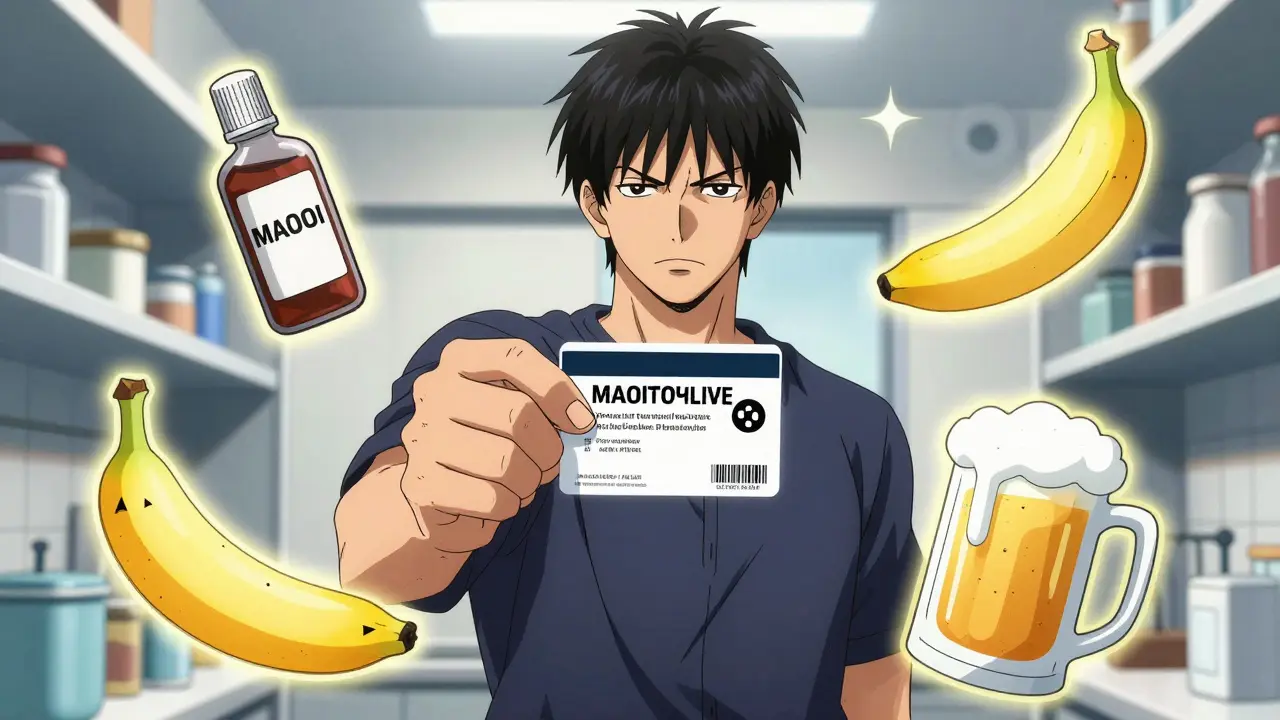
- Carry a Wallet Card: Most psychiatrists provide a card listing your medication and contraindicated drugs. Carry this everywhere. In an emergency, paramedics need to know you are on an MAOI to treat you correctly.
- Read Every Label: Before buying any new medication, vitamin, or supplement, read the active ingredients. Look for "decongestant," "cough suppressant," or "stimulant."
- Tell Every Provider: Dentists, surgeons, and specialists must know you are on an MAOI. They may need to adjust anesthesia or pain management plans.
- Consider the Patch: The transdermal selegiline patch (Emsam) bypasses the liver initially, reducing dietary restrictions at lower doses (6mg/24hr). Discuss this option with your doctor if food restrictions are too burdensome.
- Monitor Blood Pressure: Regular checks can help detect early signs of hypertensive issues, especially if you accidentally consume tyramine-rich foods.
Despite the risks, MAOIs remain a vital tool in psychiatry. For the small percentage of patients who depend on them, the benefits outweigh the dangers when managed correctly. Knowledge is your best defense. By understanding what interacts with your medication, you can avoid emergencies and maintain your quality of life.
Can I drink alcohol while taking MAO inhibitors?
You should exercise extreme caution. Tap beers, draft beers, and Chianti wine contain high levels of tyramine and can trigger a hypertensive crisis. Bottled beers and dry wines are lower in tyramine but can still interact with the medication to cause drowsiness or blood pressure changes. It is best to consult your doctor before consuming any alcohol.
How long does it take for MAO inhibitors to start working?
Like most antidepressants, MAOIs typically take 4 to 6 weeks to show full therapeutic effects. However, some patients may notice improvements in sleep or appetite within the first two weeks. Do not adjust your dose without medical supervision, as this can increase interaction risks.
What are the symptoms of serotonin syndrome?
Symptoms range from mild to life-threatening. Early signs include agitation, confusion, rapid heart rate, and heavy sweating. Severe cases involve high fever (over 106°F), muscle rigidity, seizures, and irregular heartbeat. If you suspect serotonin syndrome, seek emergency medical attention immediately.
Are all cheeses unsafe with MAOIs?
No. Fresh cheeses like cottage cheese, cream cheese, ricotta, and mozzarella are generally safe because they have low tyramine levels. Avoid aged cheeses such as cheddar, blue cheese, parmesan, swiss, and gouda, as tyramine builds up during the aging process.
Why are MAOIs rarely prescribed today?
MAOIs were largely replaced by SSRIs and SNRIs in the 1980s and 1990s because newer drugs have fewer dietary restrictions and lower risks of dangerous interactions. Today, MAOIs are reserved for treatment-resistant depression or atypical depression where other medications have failed, accounting for less than 1% of antidepressant prescriptions.
Author

Lisa Thomas
June 7, 2026 AT 10:30Nicholas Bowling
June 9, 2026 AT 05:42Jay Foreman
June 9, 2026 AT 12:13Cathy N
June 9, 2026 AT 19:26Adelaide Motata
June 10, 2026 AT 08:39Mike Crump
June 10, 2026 AT 22:54Samantha Arbuckle
June 11, 2026 AT 04:14Stephanie Francis
June 11, 2026 AT 05:52Daniel Tremblay
June 11, 2026 AT 06:37Henri-Paul Soulodre
June 12, 2026 AT 09:41Mark Hogan
June 13, 2026 AT 17:38Hassan Bukhari
June 14, 2026 AT 07:12Alexandre Desbiens
June 15, 2026 AT 22:42