
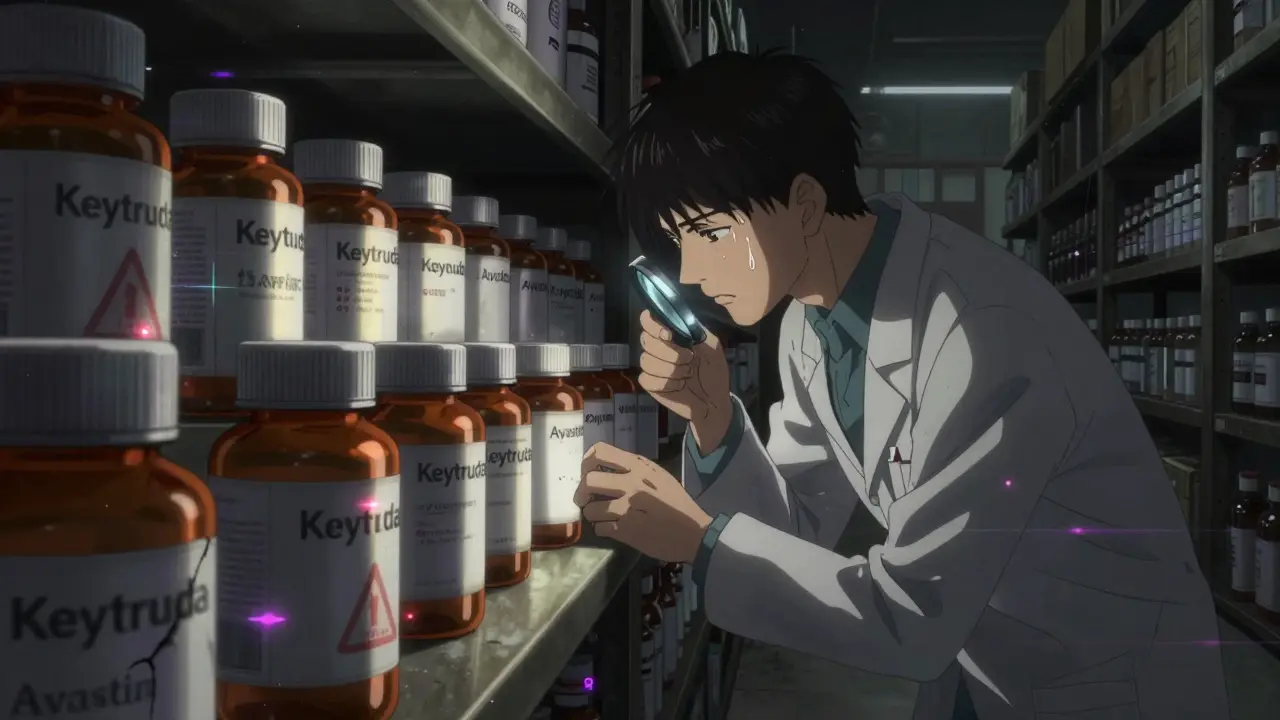
Every year, millions of people around the world take medicine they think is real - but it’s not. Fake pills, diluted powders, or empty capsules labeled as life-saving drugs are slipping into supply chains, and the people who get them don’t even know. For pharmacies, distributors, and hospitals, this isn’t just a public health crisis - it’s a financial and legal nightmare. And that’s where insurance coverage comes in. But here’s the catch: insurance won’t protect you if you didn’t do your homework.
What Exactly Counts as a Counterfeit Drug?
The World Health Organization defines falsified medicines as products that deliberately misrepresent their identity, composition, or source. That means more than just fake packaging. A counterfeit drug could be:- A pill with no active ingredient at all
- A cancer drug with half the correct dose of chemotherapy
- A diabetes medication laced with toxic chemicals
- A branded drug like Keytruda or Avastin, printed with the right logo but made in a basement lab
These aren’t rare edge cases. Bristol Myers Squibb estimates counterfeit drugs are a $200 billion a year global industry. Oncology drugs are especially targeted - Gleevec, Xeloda, Abraxane, Avastin, and Keytruda are among the most faked. Why? Because they’re expensive, in high demand, and patients will pay anything to get them.
How Insurance Covers You (And When It Doesn’t)
Most pharmaceutical companies and distributors carry professional liability, product liability, and errors and omissions insurance. These policies are designed to protect you if someone gets hurt by a drug you distributed - even if you didn’t know it was fake. But here’s the fine print: coverage only applies if you were acting in good faith. That means:- You didn’t know the product was counterfeit
- You didn’t cut corners to save money
- You didn’t buy from a supplier with a history of shady deals
Insurance underwriters at Beazley and other major firms are clear: if you ignored red flags, skipped audits, or bought from a vendor offering prices that were too good to be true, your claim will be denied. The system isn’t meant to reward negligence. It’s meant to protect honest players caught in a system that’s hard to fully control.
The Supply Chain Is Broken - And Insurance Can’t Fix It
You might think technology has solved this. After all, the U.S. Drug Supply Chain and Security Act (DSCSA) required full electronic tracing of prescription drugs by November 2023. You’d think every pill could be tracked from factory to pharmacy. But experts like Walters from Risk & Insurance say it’s impossible to monitor every single capsule. Counterfeiters are too smart. They exploit gaps in international shipping, use forged documents, and infiltrate legitimate-looking distributors. One fake batch can pass through ten middlemen before reaching a patient. That’s why insurance companies don’t just look at your policy - they look at your practices. Do you test incoming shipments? Do you verify suppliers? Do you use RFID tags or serialization tech? Companies like Sanofi and Pfizer have built internal labs to analyze suspect drugs. They’ve hired teams to scan millions of webpages for fake listings. These aren’t just good business - they’re what insurers want to see before offering coverage.
What Happens When a Fake Drug Hurts Someone?
Let’s say a hospital administers a counterfeit version of Avastin to a cancer patient. The patient doesn’t respond to treatment. Their condition worsens. They sue. If the hospital bought the drug from a distributor who bought it from a wholesaler who bought it from a rogue supplier in India - everyone in that chain could be named in the lawsuit. Even if no one knew the drug was fake, they’re still legally responsible. That’s where insurance kicks in. It pays for legal defense, settlements, or judgments. It covers the cost of recalls. It helps manage public relations damage. But without insurance, a single incident like this could bankrupt a small pharmacy or distributor. The financial risk isn’t theoretical. A 2014 PubMed study found counterfeit drugs lead to death, waste consumer income, and destroy trust in real medications. That erosion of trust hurts sales - even for genuine products.How Companies Are Fighting Back (And Why It Matters for Insurance)
Some companies aren’t waiting for regulators to act. They’re taking control. Bristol Myers Squibb has shut down 93% of the illegal websites selling their products. Their team trolls the web daily, identifying fake listings and working with law enforcement to take them down. Pfizer’s Global Security team uses advanced lab equipment to test seized pills and trace them back to source labs. Sanofi runs a central anti-counterfeit lab that analyzes suspicious samples within hours. These aren’t just PR moves. They’re risk mitigation strategies. Insurers notice them. Companies with strong internal detection systems often get lower premiums. They’re seen as lower-risk partners. In contrast, a distributor who never tests products or checks supplier licenses will pay more - or be denied coverage altogether.Regulations Are Catching Up - But Slowly
The Medicrime Convention, which came into force in January 2016, made producing or trafficking counterfeit drugs a criminal offense across 30+ countries. The FDA works with U.S. Customs to intercept fake drugs at borders. The National Association of Boards of Pharmacy runs VIPPS, a verification program for online pharmacies. But enforcement is uneven. In low- and middle-income countries, counterfeit drugs are still easy to produce and sell with little risk of punishment. The IFPMA says the penalties don’t come close to matching the harm. That’s why insurers treat global supply chains as high-risk zones - especially for drugs shipped from regions with weak oversight.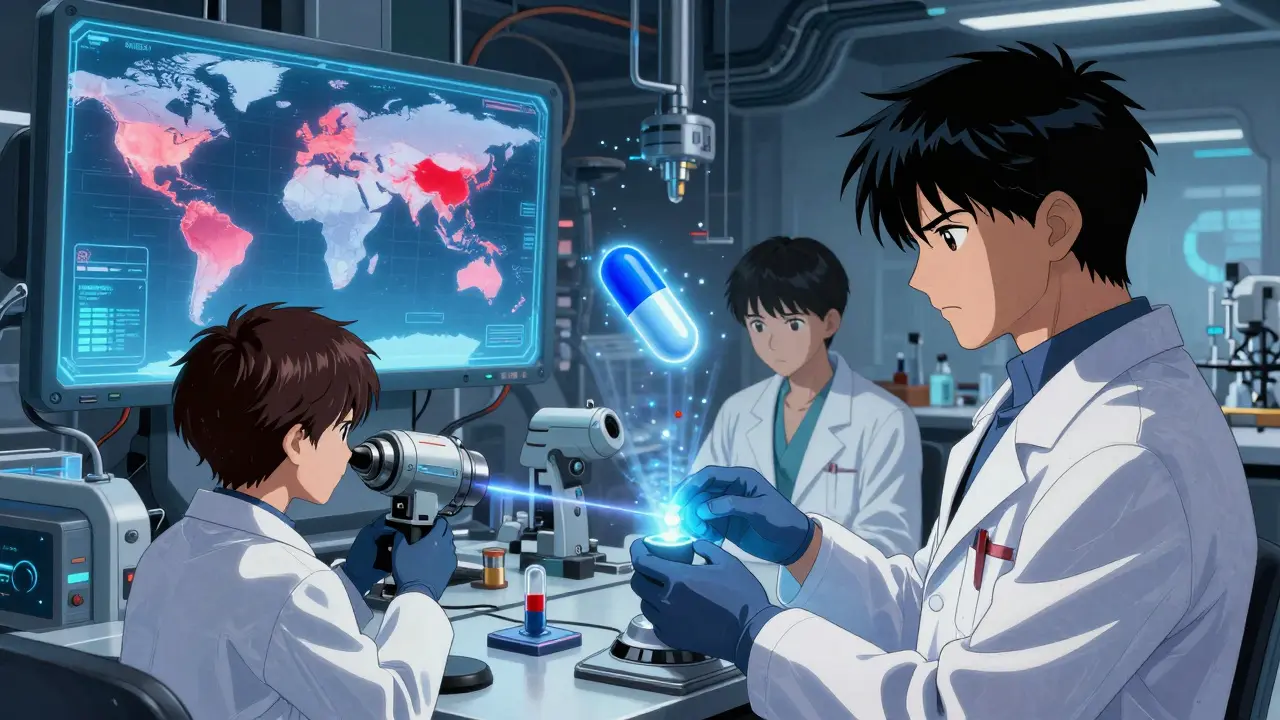
What You Should Do Right Now
If you’re in the pharmaceutical supply chain - whether you’re a pharmacy, wholesaler, or distributor - here’s what you need to do:- Verify every supplier. Don’t just take their word for it. Ask for certificates of analysis and audit trails.
- Use serialization and tracking tech. Even basic batch numbers help trace problems.
- Train your staff. Know the signs of counterfeit packaging: misspelled names, blurry logos, odd color shifts.
- Test suspicious products. Don’t wait for a patient to get sick. Send odd-looking batches to a lab.
- Review your insurance policy. Does it cover counterfeit drugs? What exclusions apply? Talk to your broker - don’t assume you’re covered.
Insurance is your safety net - not your first line of defense. The best protection is knowing where your drugs come from.
Why This Matters for Patients - And Your Business
Patients don’t just lose money when they buy fake drugs. They lose time. They lose hope. And when they realize they were sold a lie, they stop trusting pharmacies altogether. That’s bad for everyone - including the companies selling real medicine. The more counterfeit drugs circulate, the harder it is for legitimate businesses to compete. That’s why insurance isn’t just about legal protection. It’s about preserving the integrity of the entire system.Right now, over 302 million counterfeit doses have been intercepted since 2004 - mostly by companies like Pfizer. But that’s still just a fraction of what’s out there. The system is still broken. Insurance helps you survive the fallout. But only good practices will stop it from happening again.
Does my insurance cover me if I unknowingly sell a counterfeit drug?
Yes - but only if you can prove you acted in good faith. That means you did proper supplier checks, followed industry standards, and had no reason to suspect the product was fake. If you bought from a shady vendor or ignored warning signs, your claim will likely be denied.
What types of insurance cover counterfeit drug risks?
Product liability, professional liability, and errors and omissions (E&O) insurance are the main types. These cover legal costs, settlements, and recalls if a counterfeit drug causes harm. Some policies also include crisis management coverage for reputational damage.
Are online pharmacies more at risk for counterfeit drugs?
Yes. Unverified online pharmacies are the biggest source of counterfeit drugs. The FDA warns that 96% of websites selling prescription drugs without a prescription are illegal. Insurers look closely at whether a company uses VIPPS-certified vendors or sells directly to consumers online - those are high-risk activities.
Can I get insurance if I import drugs from overseas?
You can - but premiums will be higher. Importing drugs from countries with weak regulatory oversight increases risk. Insurers will require proof of supplier vetting, batch testing, and compliance with FDA or EU import rules. Without those, coverage may be denied or heavily restricted.
What happens if my company is found to have sold counterfeit drugs intentionally?
Your insurance will not cover you. Intentional fraud is always excluded. You could face criminal charges, fines, and permanent loss of your business license. Insurance is designed to protect honest mistakes - not criminal behavior.
How do I know if my supplier is trustworthy?
Ask for their license, audit reports, and certificates of analysis. Check if they’re listed in the VIPPS program or have ISO certification. Call their regulatory body to verify their standing. Never accept a discount that seems too good to be true - it usually is.
Do I need special insurance for oncology drugs?
Not a separate policy, but insurers treat oncology drugs as high-risk because they’re frequently counterfeited and have life-or-death consequences. You’ll need stronger documentation and verification processes. Some insurers may require third-party testing for every batch.
Can technology like blockchain help me get better insurance rates?
Yes. Using blockchain or RFID tracking shows insurers you’re serious about traceability. Companies that adopt these technologies often qualify for lower premiums because they reduce the chance of counterfeit drugs entering their supply chain.
What Comes Next
The fight against counterfeit drugs isn’t over. Regulations are tightening, technology is improving, and insurers are adapting. But as long as there’s profit in deception, the risk will remain. Your best move isn’t waiting for the next law or the next tech breakthrough. It’s acting now - verify your suppliers, test your inventory, and make sure your insurance policy actually protects you. Because when it comes to fake medicine, there’s no second chance.Author

Angie Rehe
January 5, 2026 AT 10:10Let’s be real - if your compliance officer isn’t running blockchain-verified batch audits with RFID-tagged serialization, you’re already on the hook for a Class I recall. Insurance won’t save you if your due diligence is a PowerPoint slide deck from 2019. The DSCSA isn’t a suggestion - it’s the floor, and you’re barely scraping it.
josh plum
January 6, 2026 AT 16:15Big Pharma’s been lying about this whole ‘counterfeit crisis’ to jack up premiums. The real problem? They don’t want you buying generic insulin from Canada. They’re using fake drug scares to scare you into paying $2,000 for a vial that costs $20 overseas. Insurance companies? They’re just the enforcers for the cartel.
Enrique González
January 7, 2026 AT 23:17My cousin works in logistics for a mid-sized distributor - they started doing random batch testing after a near-miss with a fake Avastin. Took 3 months, cost $12K, but their E&O premium dropped 40%. It’s not glamorous, but it’s the only thing that keeps the lights on when someone sues.
John Ross
January 9, 2026 AT 04:02From a global supply chain perspective, the real vulnerability isn’t the basement labs - it’s the Tier 3 distributors in Eastern Europe and Southeast Asia who operate under shell companies with zero regulatory footprint. Insurers know this. That’s why they demand third-party audits from ISO-certified firms, not just ‘we’ve worked with them for 10 years.’
Clint Moser
January 10, 2026 AT 22:41you know what no one talks about? the fda lets like 80% of fake drugs in through ports bc they dont have enough scanners. and the companies that do test? theyre the ones getting sued for 'causing delays'. its a rigged game. #fakepharma
Ashley Viñas
January 11, 2026 AT 00:59If you’re still using email invoices from suppliers who don’t have a .gov or .edu domain, you’re not just negligent - you’re morally irresponsible. People die because someone didn’t verify a certificate of analysis. This isn’t ‘business risk’ - it’s manslaughter by spreadsheet.
Brendan F. Cochran
January 11, 2026 AT 01:20Why are we letting foreign labs make our life-saving drugs? We used to make everything here. Now we’re trusting India and China to not poison our grandma with fake chemo. Insurance won’t bring back a dead patient - only tariffs and domestic production will.
Justin Lowans
January 12, 2026 AT 08:42There’s a quiet revolution happening in pharma logistics - companies are now treating drug traceability like aerospace component tracking. Every vial, every box, every pallet has a digital twin. It’s expensive, yes - but when you’re protecting lives, the ROI isn’t in dollars, it’s in dignity.
Ethan Purser
January 14, 2026 AT 02:12I used to think this was just about money… until my brother got the fake Keytruda. He didn’t die - but he lost six months of his life. The insurance company denied his claim because the pharmacy ‘didn’t verify the supplier.’ Six months. Six months. And they’re talking about premiums like it’s a spreadsheet error. I’m not mad. I’m just… hollow.
Doreen Pachificus
January 14, 2026 AT 10:41Wait - so if a hospital buys from a VIPPS-certified vendor but the vendor’s supplier is shady, who’s liable? The hospital? The vendor? The wholesaler? This chain is so tangled even the lawyers are confused.
Rory Corrigan
January 15, 2026 AT 20:19we’re all just pawns in a game where the board is on fire and the pieces are people’s lives 😔
Stephen Craig
January 16, 2026 AT 05:32Insurance covers negligence, not ignorance. The distinction matters.
Connor Hale
January 17, 2026 AT 12:50The real tragedy isn’t the counterfeit drugs - it’s that we’ve normalized the idea that someone’s life depends on a paperwork check. We’ve outsourced safety to compliance officers instead of building systems that can’t fail.
Roshan Aryal
January 18, 2026 AT 10:47USA thinks it’s the only one fighting fakes? Try looking at how India’s pharma exports are 80% of Africa’s supply - and how their regulators have 3 inspectors for 12,000 factories. Your ‘high-risk zones’ are just colonial supply chains with new labels. Insurance won’t fix imperialism.