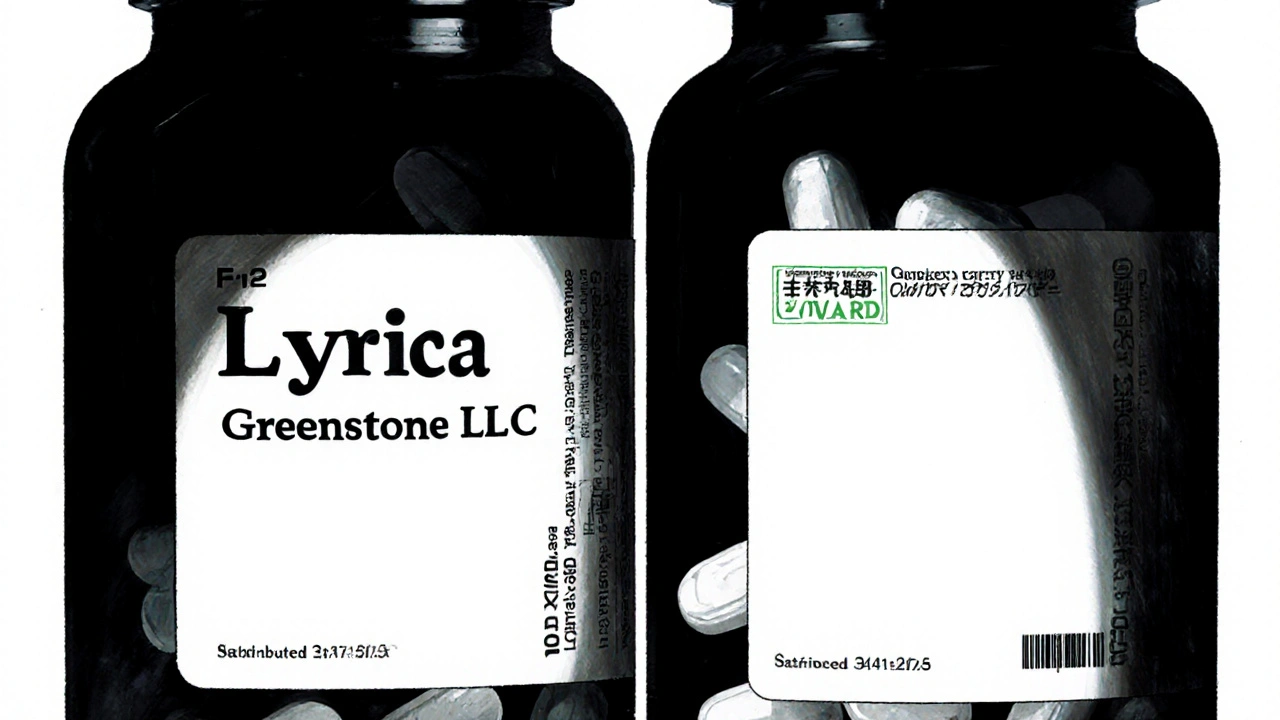
NDC Code: What It Is and Why It Matters for Your Medications
When you pick up a prescription, the small barcode on the bottle isn’t just for scanning—it’s tied to a NDC code, a unique 10- or 11-digit number assigned by the FDA to identify every drug product in the United States. Also known as a National Drug Code, it’s the universal language of medication tracking in the U.S. healthcare system. Without it, pharmacies couldn’t verify what you’re getting, insurers couldn’t process claims, and regulators couldn’t trace a recalled drug back to its manufacturer.
The NDC code breaks down into three parts: the labeler code (who makes it), the product code (what the drug is), and the package code (how it’s packaged). That’s why two bottles of the same pill might have different NDCs—one could be 30 tablets in a plastic bottle, another 100 in a blister pack. This level of detail matters when your insurance denies a claim because the package size doesn’t match their records, or when a pharmacist substitutes a generic and needs to confirm it’s the exact same formulation. It’s also why some people get different side effects from generics—not because the active ingredient changed, but because the inactive ingredients did, and the NDC code helps track those differences.
Behind the scenes, the NDC code connects to real-world systems like the FDA’s Drug Registration and Listing System, the DSCSA for tracking counterfeit drugs, and pharmacy claims databases. It’s the reason your insurance knows whether you got the brand-name version or a generic, and why pharmacists can legally swap one for the other under state laws. It’s also why you’ll see NDC codes listed in FDA deficiency letters for generic drug applications—any mismatch in the code can delay approval. Even when you’re not thinking about it, this number is silently ensuring your medication is safe, legal, and correctly billed.
What you’ll find in the posts below is a collection of real cases where NDC codes play a hidden but critical role: from insurance denials over generic substitutions to supply chain tracking that blocks fake drugs, from pharmacist substitution rules to how the FDA checks if a generic matches the brand. These aren’t theoretical discussions—they’re daily realities for patients, pharmacists, and prescribers. Whether you’ve ever been confused by a label, denied a claim, or wondered why your pill looks different this month, the NDC code is the key to understanding why.
24
Nov
How to Identify Authorized Generics by Packaging and Labeling
Ken Ken
Learn how to identify authorized generics by checking packaging, labeling, and NDC codes. Understand how they differ from brand-name drugs and regular generics - and why they’re often the safest alternative.
More