Corticosteroids: What They Are, How They Affect Your Body, and What to Watch For
When your body’s immune system goes into overdrive—whether from arthritis, asthma, or an autoimmune condition—corticosteroids, a class of powerful anti-inflammatory drugs that mimic natural hormones produced by the adrenal glands. Also known as glucocorticoids, they’re one of the most commonly prescribed treatments for swelling, pain, and immune system misfires. But they’re not harmless. Every time you take them, whether as a pill, injection, or cream, you’re telling your body to slow down its natural defenses. That’s helpful in the short term, but over time, it can mess with your blood sugar, bones, mood, and even your ability to fight off infections.
One of the biggest risks? steroid-induced hyperglycemia, a spike in blood sugar caused by corticosteroids interfering with insulin function. This isn’t rare—it happens in up to half of people taking oral steroids like prednisone for more than a week. If you’re diabetic or borderline, your doctor should be monitoring your glucose levels closely. Even if you’re not, sudden thirst, frequent urination, or unexplained fatigue could be signs your body is struggling to handle the drug. And it’s not just blood sugar. Corticosteroids can thin your skin, weaken muscles, raise blood pressure, and even trigger mood swings or trouble sleeping. They’re immunosuppressants, drugs that dampen the immune system to reduce inflammation. That’s why they work so well for conditions like lupus or eczema—but it also means you’re more vulnerable to infections. The goal isn’t to avoid them entirely, but to use them wisely: the lowest dose for the shortest time possible.
What you’ll find in this collection isn’t just a list of articles—it’s a practical toolkit. You’ll see how corticosteroids affect children, why some people need to switch from prednisone to safer alternatives, how they interact with diabetes meds, and what to do when your insurance denies a brand-name steroid because they want you to use a generic. There’s also real talk about topical steroids on kids’ skin, how to spot dangerous overuse, and why some patients end up with rebound inflammation after stopping too fast. These aren’t theory pieces. They’re based on what patients and doctors are actually dealing with right now.
26
Nov
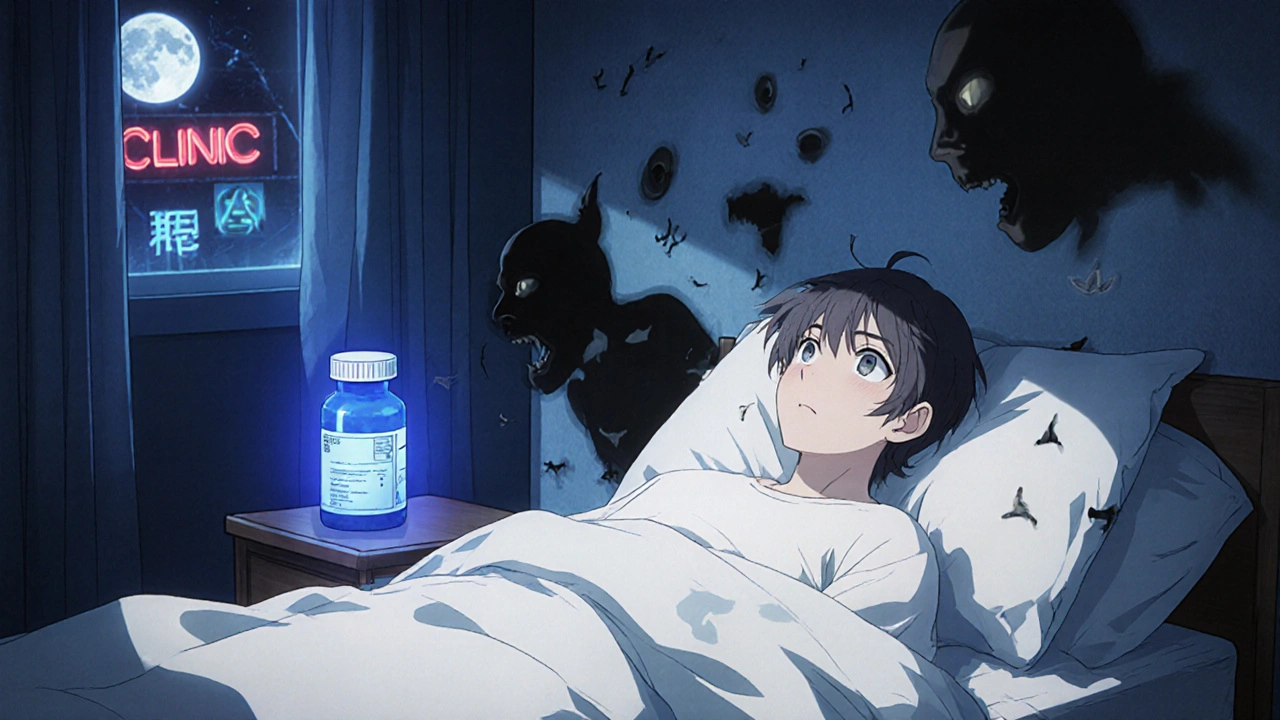
Mood and Behavioral Changes from Corticosteroids: Understanding the Psychosis Risk
Ken Ken
Corticosteroids can cause serious mood and behavioral changes, including psychosis, especially at high doses. Learn the signs, risks, and what to do if you or a loved one experiences these side effects.
More