
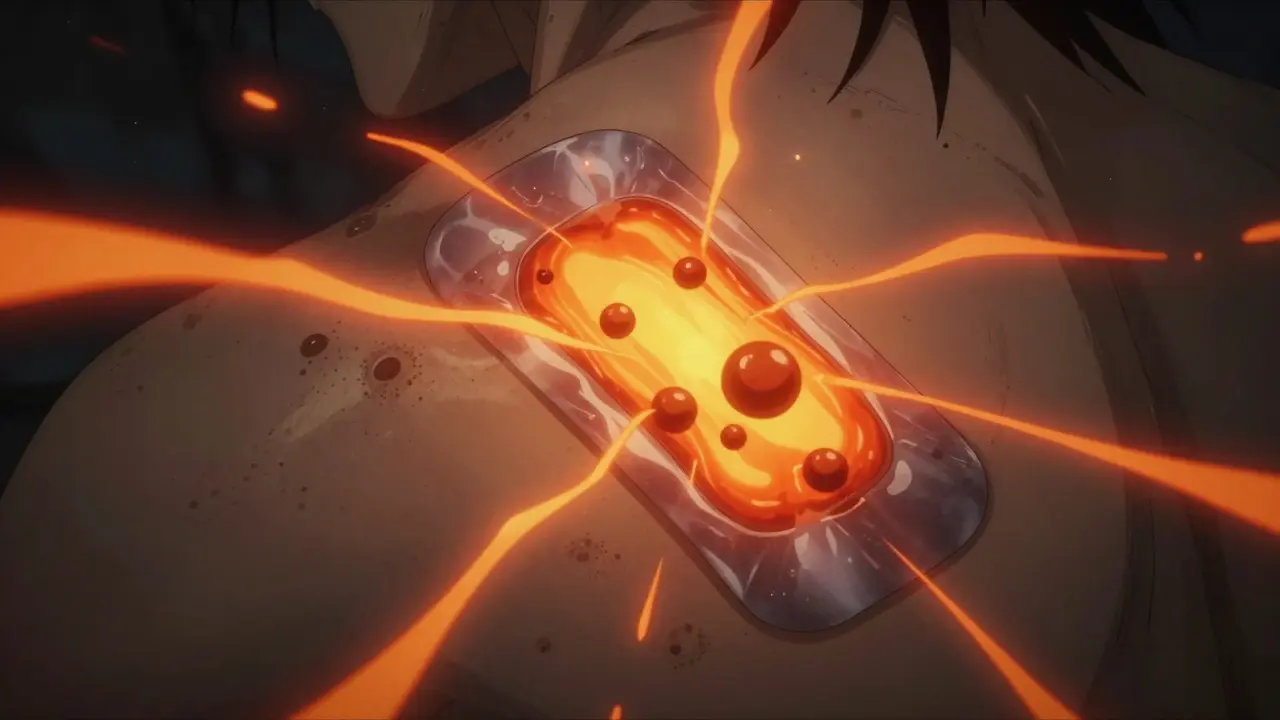
Most people think of an overdose as a sudden event-a single pill or a shot-but some of the most dangerous scenarios happen slowly or unexpectedly. When you use medications designed to release drugs over a long period, like patches or long-acting tablets, the rules of safety change. A simple mistake, like applying a heat pack over a patch or crushing a pill, can turn a controlled dose into a lethal one instantly. Understanding how these delivery systems work is the only way to keep yourself and your loved ones safe.
The Hidden Danger of Transdermal Patches
A fentanyl patch is a transdermal delivery system that releases a potent opioid through the skin over several days. While they are designed for steady pain management, they carry unique risks that a standard pill doesn't.
The biggest danger with patches is accelerated absorption. The skin acts as a gatekeeper, but heat opens that gate wide. If you use a heating pad, take a very hot bath, or spend too much time in a sauna while wearing a patch, your body may absorb the medication much faster than intended. This can lead to a rapid buildup of the drug in your bloodstream, triggering a respiratory depression.
Another critical risk involves the physical integrity of the patch. Some people attempt to get a stronger effect by cutting the patch or chewing on it. This destroys the controlled-release membrane, dumping the entire multi-day dose into your system at once. To prevent this, never alter the shape of a patch and always apply it exactly as directed by your healthcare provider.
Liquid Medications and Dosing Errors
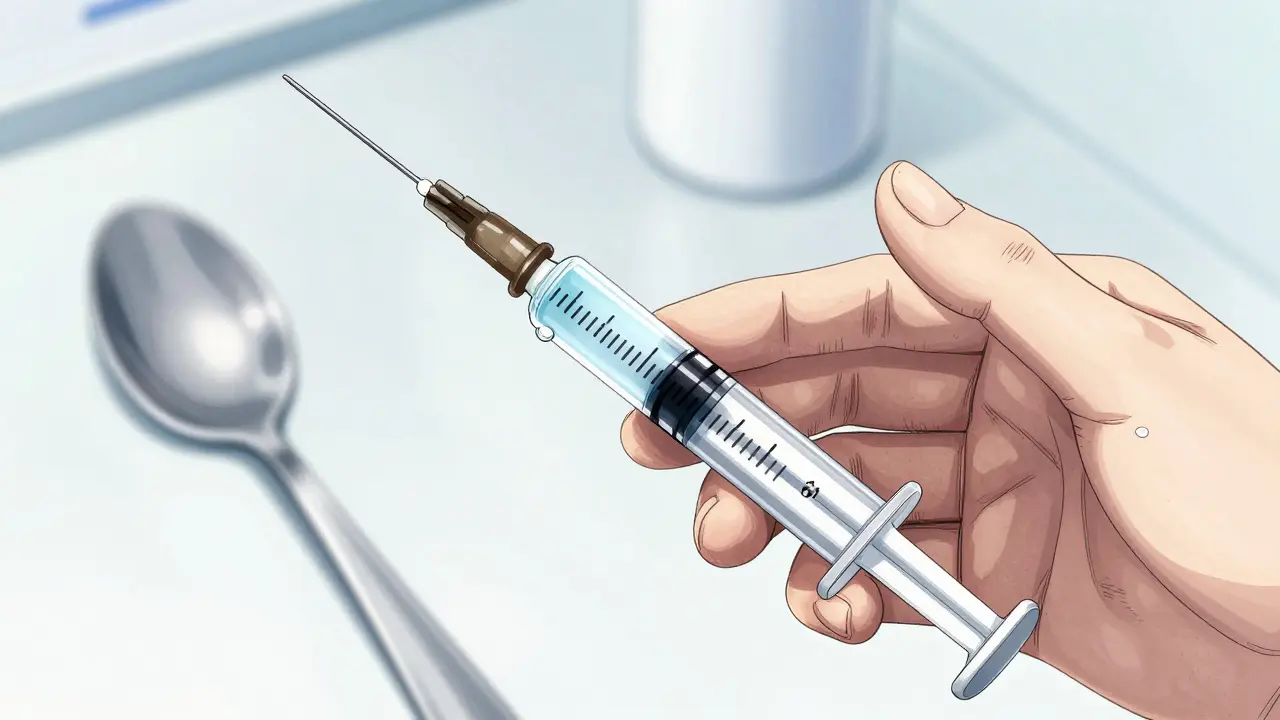
Liquid medications, including liquid morphine or prescription cough syrups, present a different challenge: precision. Because they are fluids, the margin for error is slim, and a small miscalculation can lead to a significant overdose.
Many people make the mistake of using household spoons for dosing. A "teaspoon" from your kitchen drawer can vary in volume by as much as 25%, which is far too inconsistent for potent medications. To avoid this, only use a calibrated oral syringe or a precise dosing cup provided by the pharmacy. If the liquid is a concentrated solution, double-check the decimal point on the label; confusing 0.5ml with 5ml is a common and deadly error.
Potency can also vary, especially if the medication is not from a regulated pharmacy. Some liquid formulations can settle over time, meaning the drug is more concentrated at the bottom of the bottle. Always shake the bottle gently to ensure the dose is consistent throughout the liquid.
The Risks of Extended-Release Formulations
Extended-release (ER) medications, such as OxyContin, are engineered to release the active ingredient slowly over 12 to 24 hours. The goal is to provide a steady state of relief and avoid the "peaks and valleys" of short-acting drugs.
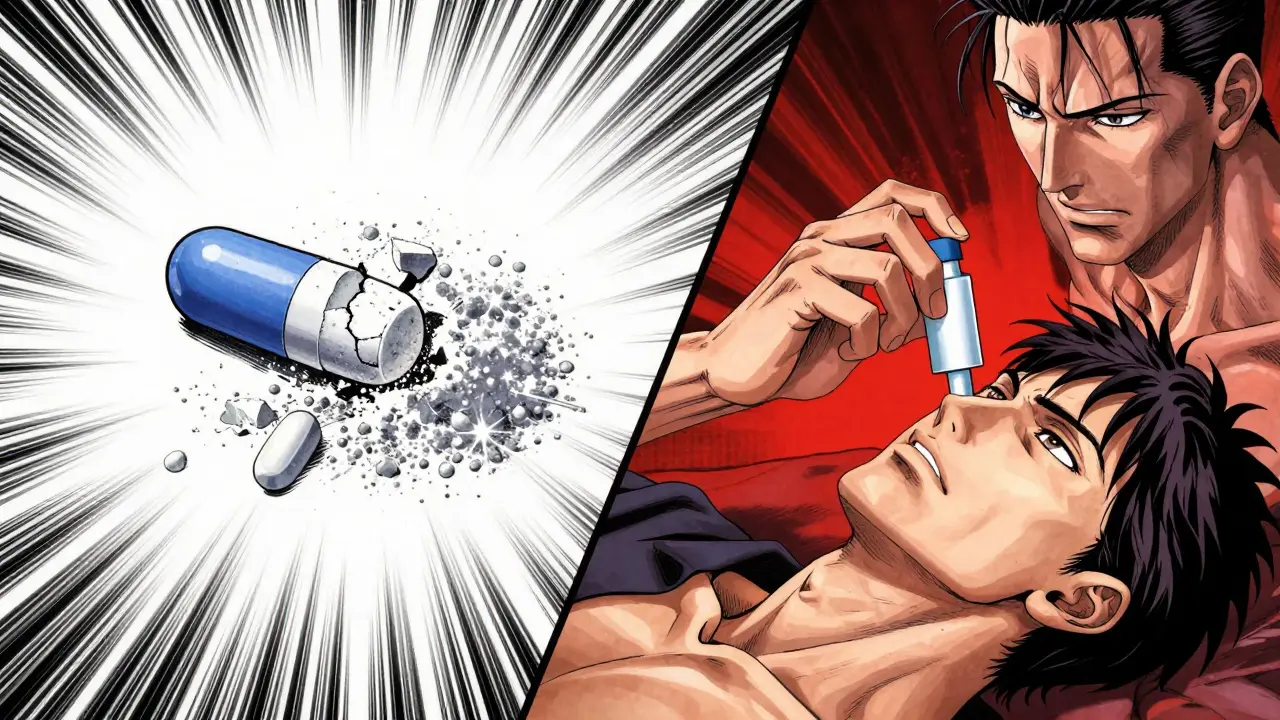
The most dangerous mistake with ER medications is "defeating the mechanism." This happens when a user crushes, chews, or dissolves the tablet to make it hit faster. When you break that chemical matrix, you transform a 12-hour dose into an immediate-release dose. This is often referred to as "dose dumping," and it can cause a person to stop breathing within minutes.
Another risk is the "stacking" effect. Because these drugs stay in your system for a long time, taking an extra dose too soon because the first one "isn't working" can lead to a cumulative overdose. Your blood levels may rise slowly over several days until they hit a toxic threshold, often catching the user by surprise.
| Medication Type | Primary Risk Factor | Common Trigger | Danger Level |
|---|---|---|---|
| Transdermal Patch | Rapid Absorption | External heat/Cutting patch | Very High |
| Liquid Formulation | Dosing Inaccuracy | Using household spoons | Moderate to High |
| Extended-Release | Dose Dumping | Crushing or chewing pills | Critical |
Saving Lives with Naloxone
Regardless of how the drug entered the body, naloxone is the gold standard for reversing an opioid overdose. It is a medication that binds to opioid receptors and blocks the effects of the drug, restoring normal breathing. However, using it with long-acting medications requires a specific strategy.
Here is the catch: naloxone is often shorter-acting than the opioid it is fighting. If someone overdoses on an extended-release pill or a patch, the naloxone might wear off in 30 to 90 minutes, but the drug is still being released from the patch or the tablet. This can lead to "renarcotization," where the person wakes up, seems fine, and then slips back into an overdose as the naloxone fades.
Because of this, medical attention is not optional-it is mandatory. Even if the person breathes again after one dose of naloxone, they must be monitored by professionals who can provide repeated doses or a continuous infusion to counteract the steady release of the medication.
Safety Strategies and Harm Reduction
Preventing an overdose isn't just about the drug; it's about your environment. If you or a loved one are using these medications, a few simple habits can save a life.
- Never use alone: If you are using a high-potency patch or ER pill, have someone with you who knows how to use naloxone. If you must be alone, use a safety app or a "spotter" who checks on you via phone every 15 minutes.
- Avoid mixing depressants: Combining opioids with benzodiazepines or alcohol creates a synergistic effect that drastically increases the risk of respiratory failure. These substances all tell your brain to stop breathing; together, they shout it.
- Safe Disposal: Old patches still contain significant amounts of medication. A child or pet touching a discarded patch can suffer a fatal overdose. Always fold the adhesive sides together and dispose of them according to pharmacy guidelines.
- Use Drug Checking: If using liquids or pills from non-pharmacy sources, use fentanyl test strips. You cannot see, smell, or taste the difference between a standard dose and one contaminated with synthetic opioids.
Can a patch cause an overdose if it's not cutting?
Yes. Heat is the primary culprit. Using a heating pad, hot tub, or sauna can cause the patch to release medication too quickly into the bloodstream, leading to an overdose even if the patch is intact.
Why is crushing extended-release pills so dangerous?
ER pills are designed to leak the drug slowly over many hours. Crushing them destroys this mechanism, causing the entire dose to hit your system at once. This is called dose dumping and can be lethal.
What is renarcotization?
This happens when naloxone wears off before the opioid has left the body. This is common with patches and ER meds, as they continue to release the drug. The person may appear to recover and then stop breathing again shortly after.
How do I properly measure liquid medications?
Never use kitchen spoons. Always use a medical-grade oral syringe or the specific dosing cup provided by your pharmacist to ensure you aren't taking too much or too little.
What should I do if I suspect an overdose?
Call emergency services immediately, administer naloxone if available, and keep the person awake and breathing until help arrives. Do not leave them alone, as they may relapse into the overdose.
Next Steps for Safety
If you are currently prescribed these medications, start by auditing your home. Ensure you have a dedicated, safe place for disposal of used patches. If you have a family member using these substances, acquire a naloxone kit and learn how to use it today. For those struggling with dependency, reaching out to a provider for Medication-assisted treatment (MAT) can provide a more stable and safer path to recovery than managing high-risk formulations alone.
Author

Goodwin Colangelo
April 5, 2026 AT 10:24Definitely worth mentioning that if you're using a patch and you feel dizzy or weird, you should get it off immediately and call a doctor. A lot of people just try to sleep it off, but that's how things get really bad. Also, always keep your naloxone in a place where other people in the house can actually find it, not locked in a drawer where nobody has the key.
Divine Manna
April 6, 2026 AT 20:19The intersection of pharmacological ignorance and human hubris is truly a sight to behold. Most individuals fail to comprehend that a delivery system is not merely a container but a sophisticated chemical gateway. To ignore the specific guidelines provided by a pharmaceutical professional is to essentially gamble with one's own biological existence, an act of sheer negligence that defies any reasonable logic.
Will Baker
April 8, 2026 AT 01:28Oh sure, because everyone just follows the manual like a good little soldier. I bet half the people reading this are already crushing their pills while nodding along to this lecture. Absolute comedy.
Ace Kalagui
April 8, 2026 AT 23:32I really appreciate how this breaks everything down so clearly for everyone, and I think it is just so vital that we keep sharing this kind of knowledge in a supportive way so that nobody feels judged while they are trying to stay safe and healthy in their own lives. It is honestly such a great step forward when we prioritize community care and make sure that everyone has access to the right tools like naloxone, because at the end of the day, we are all just trying to look out for one another and make sure everyone gets home safe.
Rachelle Z
April 10, 2026 AT 19:32Wow... just wow!!! 🙄 Like, people actually use kitchen spoons for medicine??? That is just... peak human intelligence right there!!! 🤦♀️✨ Hope everyone enjoys their little guessing game with their lives!!! 😂💖
Beth LeCours
April 11, 2026 AT 10:29Too long.
Joey Petelle
April 11, 2026 AT 12:57Typical American chaos, where we invent the most advanced medicine on the planet and then some genius decides to use it as a heating pad. It is a masterclass in cognitive dissonance. Truly, we are the peak of civilization if we can't even read a label without accidentally deleting our own respiratory system from the chat.
Branden Prunica
April 12, 2026 AT 23:30My god, the part about renarcotization is absolutely terrifying! Can you even imagine waking up from a nightmare only to realize you're sliding right back into a coma because the drug is still leaking into your veins? It is literally the plot of a horror movie! I cannot even wrap my head around the sheer panic of that moment. Absolute madness!
Joseph Rutakangwa
April 14, 2026 AT 18:26keep it simple just get narcan and dont use alone
angel sharma
April 16, 2026 AT 06:35This is the kind of awareness that saves lives and we must push this information to every single corner of the internet because there are so many people who are struggling in silence and they just need the right facts to stay alive long enough to find a better path forward in their lives! Let us all commit to being the light for someone else by sharing this and making sure that every person who has a prescription knows exactly how to handle it without putting their life at risk through a simple mistake that could have been avoided with a bit of knowledge!