
30
Dec
Starting a new medication can feel overwhelming. You’re handed a prescription, told when to take it, and sent on your way. But what if you don’t fully understand why you’re taking it? What if you don’t know what side effects to watch for? Or worse-what if it interacts with something else you’re already taking? These aren’t hypothetical worries. Medication errors are one of the most common causes of preventable harm in healthcare, and many happen because patients never asked the right questions.
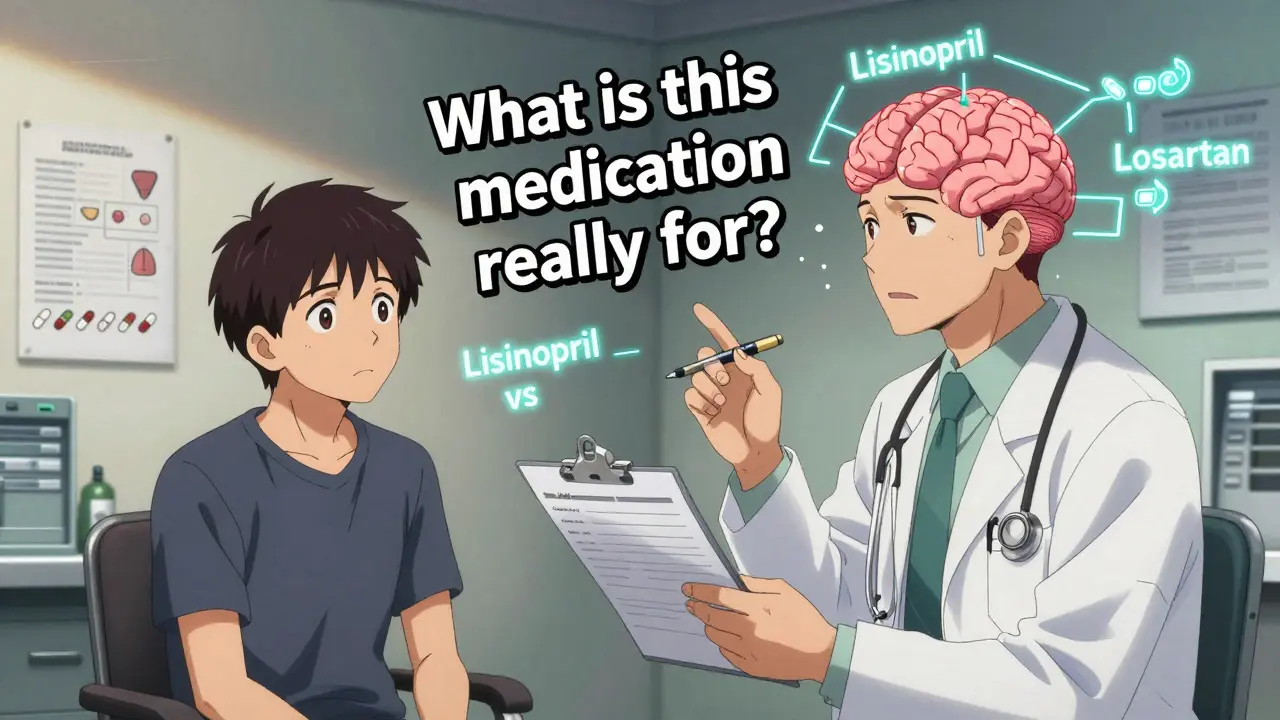
What is this medication really for?
Before you even think about swallowing a pill, get clear on why you’re taking it. Ask: "What is the exact name of this medication, both brand and generic?" Many people mix up similar-sounding drugs-like lisinopril and losartan-and end up with side effects or no benefit at all. According to the Institute for Safe Medication Practices, 23% of medication errors stem from name confusion. Then ask: "Which specific condition is this treating, and how will it help me?" Don’t settle for vague answers like "it’ll help your blood pressure." Push for specifics: "Will it lower my systolic number? By how much? And how soon should I notice a difference?" Knowing the goal helps you track progress. If you don’t feel better after the expected time, you’ll know to follow up instead of assuming the drug isn’t working.How exactly should I take it?
Dosage instructions are often given in a rush. You hear "take one daily," but what does that really mean? Ask: "Should I take this with food, on an empty stomach, or at a specific time of day?" Some drugs need to be taken with food to avoid stomach upset. Others must be taken on an empty stomach or at night to reduce drowsiness during the day. Also ask: "What’s the exact dose in milligrams, and how long should I take it?" Many patients stop taking antibiotics once they feel better, not realizing they need the full course. Others keep taking painkillers long after the injury heals because no one told them to stop. A 2021 study from AHRQ found that 34% of patients misunderstand basic dosage instructions. Writing down the details-or taking a photo of the prescription label-can help.How will I know if it’s working?
This is one of the most overlooked questions. Patients often assume a medication isn’t working if they don’t feel better right away. But many drugs take weeks to show results. Antidepressants, for example, can take 4-6 weeks before mood improvements appear. Blood pressure meds might not make you feel different at all-but they’re still doing their job. Ask: "How will I know this medication is working? What signs or symptoms should improve?" Then ask: "When should I expect to see results?" If you’re told "it might take a few weeks," write down the date you should start noticing changes. If you don’t, you’ll know to call back. A 2022 study in the Journal of General Internal Medicine found that 68% of patients quit their meds early because they didn’t know what to expect.What side effects should I watch for?
Not all side effects are dangerous. Some are mild and go away after a few days. Others signal something serious. Ask: "What side effects are common and likely to fade? Which ones mean I should call you right away?" For example, nausea from a new antibiotic might last a few days. But if you develop a rash, swelling, or trouble breathing, that’s an emergency. Ask about timing too: "Do these side effects usually go away in a week, or could they get worse?" The American Pharmacists Association says patients who ask this question are 30% less likely to stop their medication out of fear. Also ask: "Are there any side effects I should never ignore?" Some drugs can cause rare but life-threatening reactions-like liver damage or irregular heartbeat. Knowing what to look for could save your life.
Could this interact with anything else I’m taking?
Most people don’t realize how many things can interfere with a new drug. It’s not just other prescriptions. Over-the-counter painkillers, herbal supplements, even grapefruit juice can cause dangerous interactions. Bring a complete list of everything you take-including vitamins, CBD, sleep aids, and occasional aspirin. Ask: "Will this new medication interact with anything on this list?" The FDA says 40% of adults take five or more medications or supplements daily. That increases interaction risk by 85%. A 2023 report in the BMJ found that nearly 28% of hospital admissions for older adults were due to adverse drug reactions. Also ask: "Are there any foods, drinks, or activities I should avoid?" Some drugs make you extra sensitive to sunlight. Others can’t be mixed with alcohol. A simple question like this can prevent a serious problem.Why this drug and not another?
There are often multiple options for the same condition. Ask: "Why are you prescribing this one instead of another?" Maybe your doctor chose it because it’s cheaper, has fewer side effects, or works better with your other meds. Or maybe they didn’t consider alternatives at all. If you’re older, have kidney or liver issues, or take multiple drugs, ask: "Has my genetic profile been considered?" Pharmacogenetic testing-where a simple saliva sample predicts how your body processes certain drugs-is now available and covered by many insurers. Studies show it can predict 60-80% of how you’ll respond to a medication. If your doctor hasn’t mentioned it, ask if it’s right for you.What if this doesn’t work?
No medication works for everyone. Ask: "What’s the plan if this doesn’t help?" Will you switch to another drug? Adjust the dose? Try a non-drug option like therapy or physical therapy? Also ask: "When will we check in to see how I’m doing?" Too many patients assume they’re on their own after the prescription is filled. A 2022 AMA study found that 47% of patients never schedule a follow-up for new medications. That’s dangerous. You need to know when to call back-not just if something goes wrong, but if nothing changes.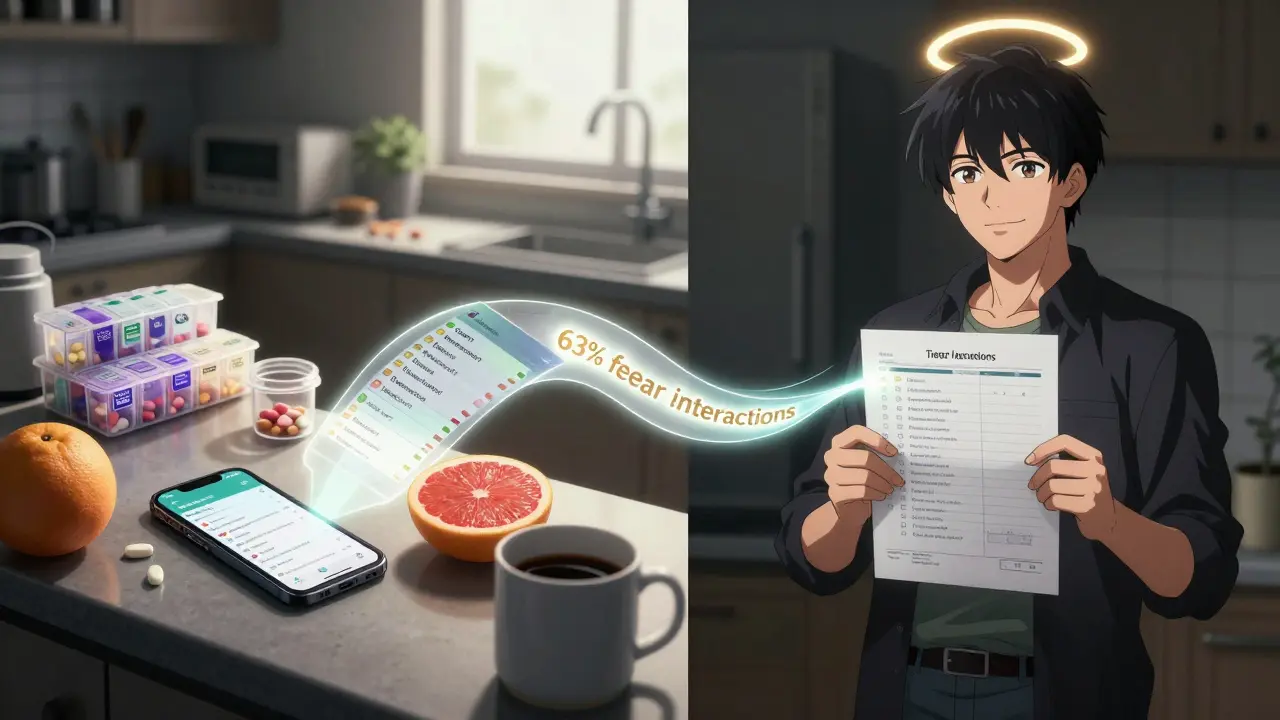
What about cost?
Price shouldn’t be an afterthought. Many people skip doses or stop taking meds because they can’t afford them. Ask: "Is there a generic version?" "Are there patient assistance programs?" "Could a lower-cost alternative work just as well?" KFF’s 2023 survey found that 72% of health plans now require doctors to discuss cost options. You have the right to ask. If the prescription is too expensive, your doctor might be able to prescribe a different brand, adjust the dose, or connect you with a pharmacy discount program.How do I keep track of everything?
If you’re on multiple medications, keeping track is hard. Write down answers to all your questions. Use a pill organizer. Set phone reminders. Apps like Hero Health or Medisafe help you log doses and alert you to interactions. Bring your medication list to every appointment-even if you’ve been to the same doctor for years. Things change. New supplements are added. Old ones are dropped. A 2022 study from the American Pharmacists Association showed patients who bring an updated list reduce interaction risks by 63%.What if I feel rushed?
Most primary care visits last just 15-20 minutes. It’s easy to feel like you’re being rushed. But you have the right to ask your questions. If your doctor seems impatient, say: "I really want to get this right. Can we take a few more minutes?" If you’re still not heard, ask for a nurse or pharmacist to review your meds. Many clinics now have medication therapy management services-free and included with your visit. And if you’re seeing a specialist, ask if you can schedule a separate 10-minute med review with a pharmacist.Final tip: Ask for written instructions
Verbal instructions are forgotten fast. A University of Michigan study found that patients remember only 50% of what they’re told in a visit-and that drops to 20% after 24 hours. Writing things down improves retention by 70%. Ask your doctor: "Can you give me a printed sheet or email me a summary of these instructions?" Many clinics now offer digital summaries through patient portals. If they don’t, ask for a printout. Keep it with your meds.Starting a new medication shouldn’t feel like a gamble. You’re not just a patient-you’re a partner in your care. The right questions turn confusion into control. And that’s the difference between managing your health and just surviving it.
Author

Paul Huppert
December 31, 2025 AT 21:08I always write down my questions before doctor visits. Last time I forgot to ask about grapefruit juice and ended up with a weird reaction. Never again.
Hanna Spittel
January 2, 2026 AT 07:31lol doctors don’t care. they’re just paid to push pills. Big Pharma owns them. 🤡💊
Brady K.
January 2, 2026 AT 10:02Let’s be real-medicine is a system designed to keep you dependent, not healed. Asking ‘why this drug and not another?’ isn’t just smart, it’s revolutionary. You’re not a patient-you’re a consumer in a rigged game. If your doctor doesn’t know pharmacogenetics, they’re operating in the Stone Age. Time to upgrade your healthcare stack.
Joy Nickles
January 2, 2026 AT 21:28why do they always say 'take it with food' but never say WHAT food?? like am i supposed to eat a burrito or a celery stick?? also i think my doc is lying about the side effects... i think they're hiding something...??
Emma Hooper
January 4, 2026 AT 15:20OMG YES. I used to just swallow pills like candy till I started asking questions. Now I bring a notebook, a list, and my attitude. My doc actually smiled and said, 'Finally, someone who gets it.' You’re not being annoying-you’re saving your own life. 💪
Martin Viau
January 5, 2026 AT 09:34Canada’s system is way better. We don’t need to beg for info-pharmacists explain everything. You guys are lucky if your doctor speaks in full sentences.
Marilyn Ferrera
January 6, 2026 AT 08:00Always ask for a written summary. I’ve had patients forget 80% of what’s said in 24 hours. A printed sheet or portal note? That’s your safety net. And yes, it’s okay to ask for one. You’re not being difficult-you’re being responsible.
Harriet Hollingsworth
January 8, 2026 AT 06:12People who don’t ask these questions are just asking for disaster. It’s not just negligence-it’s negligence with a side of arrogance. You wouldn’t drive a car without reading the manual, so why take a pill you don’t understand?
Frank SSS
January 8, 2026 AT 07:53My grandma took her meds for 12 years without ever asking what they did. One day she collapsed. Turned out the blood pressure med was making her kidneys scream. Now I ask EVERYTHING. Even if it makes me feel like a pain in the ass. Worth it.
anggit marga
January 9, 2026 AT 10:43why are you so scared of medicine? in my country we just take what the doctor says. why do you need so many questions? maybe you are just weak
Robb Rice
January 10, 2026 AT 09:56One thing I’ve learned: if your doctor doesn’t offer to review your meds at least once a year, you’re not getting good care. It’s not a one-and-done thing. Your body changes. Your meds should too.
Deepika D
January 12, 2026 AT 07:37Hey everyone-just wanted to share my story. I was on 7 different meds, felt awful all the time, and thought it was just aging. Then I brought my entire pill bottle to my pharmacist and said, 'Help me make sense of this.' She sat with me for 45 minutes, flagged 3 dangerous interactions, and helped me cut down to 3. I have my energy back. I’m 68. I’m alive. And I asked the questions. You can too. Don’t let fear silence you. You’re not a burden-you’re a person who deserves to feel better. Write it down. Bring it. Ask again. And again. Your future self will thank you.