
Herbal Supplement & Birth Control Interaction Checker
Check an Ingredient
Enter a supplement name (e.g., St. John's Wort, Ashwagandha) to see its risk level with hormonal contraceptives.
No Result Selected
Search for a supplement or click one of the quick select buttons to view detailed interaction data and safety recommendations.
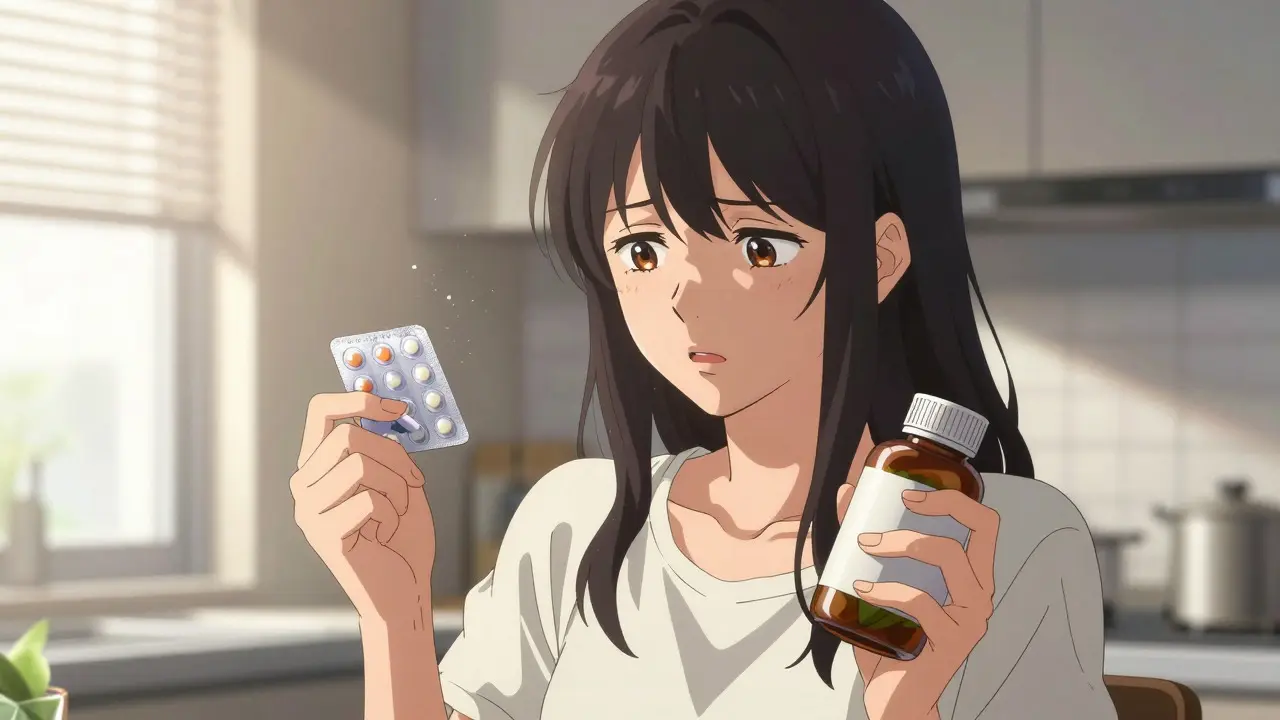
You pop your morning pill, grab a coffee, and reach for that bottle of herbal supplements you bought to help with stress or sleep. It feels like a responsible health routine. But what if those two actions are fighting each other? For many women, combining certain herbal supplements with hormonal birth control isn't just ineffective-it’s a recipe for unexpected pregnancy.
The idea that "natural" means "safe" is a dangerous myth when it comes to contraception. While most vitamins and probiotics play nice with the pill, specific herbs can trigger chemical reactions in your liver that break down contraceptive hormones before they do their job. This isn't theoretical fear-mongering; it's documented pharmacology. Understanding which supplements interfere with birth control is essential for anyone relying on hormonal methods for family planning.
The Mechanism: How Herbs Sabotage Contraception
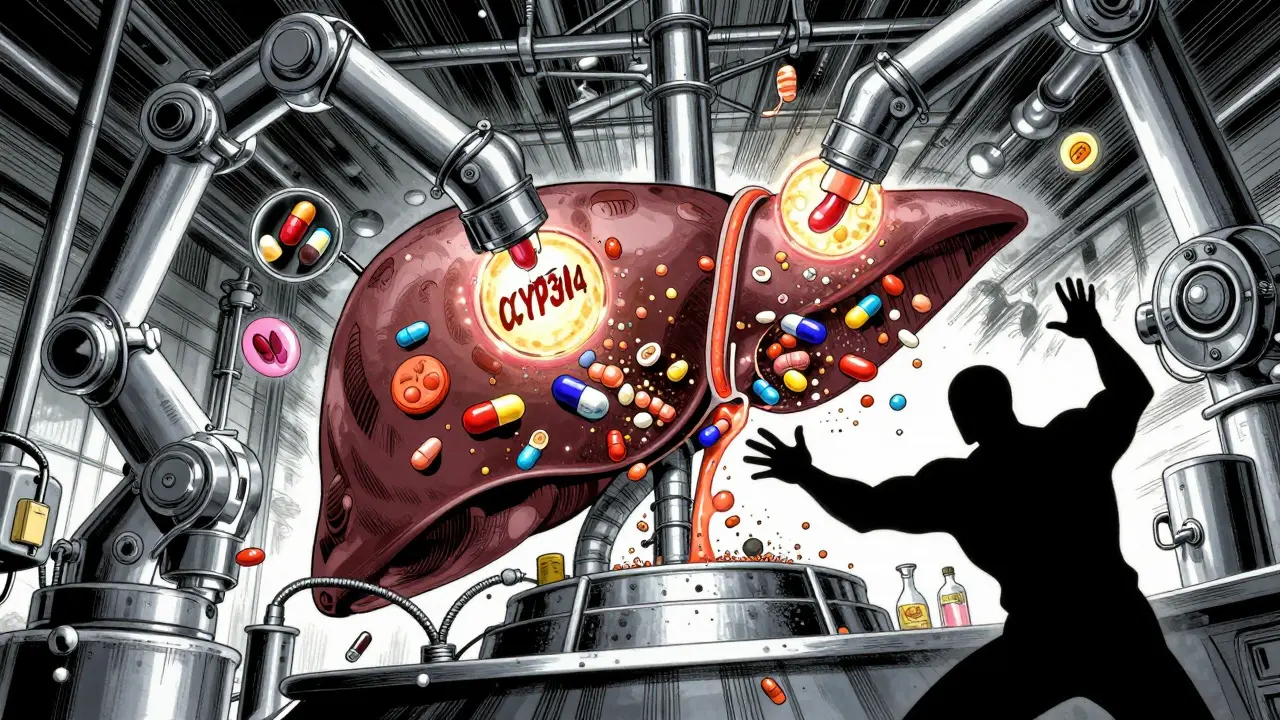
To understand why this happens, we need to look at how your body processes drugs. When you take oral contraceptives, your liver uses specific enzymes-primarily from the cytochrome P450 family (specifically CYP3A4)-to metabolize them. The goal of birth control is to keep hormone levels stable in your blood. If your liver works too fast, it clears these hormones out, dropping your protection levels.
Certain herbal supplements act as "enzyme inducers." They essentially tell your liver to ramp up production of these metabolic enzymes. Think of it like hiring extra workers to clear trash from a house. If the trash is the contraceptive hormone, you want the workers to go slow so the hormones stay in your system long enough to prevent ovulation. Enzyme-inducing herbs hire an army of workers, clearing the hormones out rapidly. This leads to lower blood concentrations of ethinyl estradiol and progestins, the active ingredients in most pills, patches, and rings.
Another mechanism involves P-glycoprotein, a transporter protein that pumps substances out of cells. Some herbs activate this pump, forcing contraceptive hormones out of the intestinal lining before they can even enter your bloodstream. Both pathways result in the same outcome: reduced contraceptive effectiveness.
The Primary Offender: St. John's Wort
If there is one supplement you must know about, it is St. John's wort (Hypericum perforatum). This bright yellow flower is widely used for mild to moderate depression and anxiety. However, it is also one of the most potent enzyme inducers known to science.
Research has consistently shown that St. John's wort significantly reduces the concentration of ethinyl estradiol in women taking combined oral contraceptives. A landmark study highlighted by WebMD found that women taking a standardized extract of St. John's wort (900 mg daily) alongside a common birth control pill experienced clinically significant drops in hormone levels. The clinical sign of this failure was breakthrough bleeding-spotting between periods. In the study, 23% of women on St. John's wort reported breakthrough bleeding compared to only 5% in the control group. Breakthrough bleeding is often the first warning sign that your birth control is failing.
The interaction is strong enough that medical guidelines, including those from the American College of Obstetricians and Gynecologists (ACOG), treat it with the same seriousness as prescription antibiotic interactions. The recommendation is clear: avoid St. John's wort if you are on hormonal birth control, or use a backup method like condoms while taking it and for at least one month after stopping it.
Other High-Risk Herbal Supplements
While St. John's wort is the most famous culprit, it is not alone. Several other natural products have been flagged for potential interactions with oral contraceptives.
| Supplement | Risk Level | Mechanism of Interaction | Clinical Evidence |
|---|---|---|---|
| St. John's Wort | High | Induces CYP3A4 enzymes and P-glycoprotein | Strong evidence of reduced hormone levels and breakthrough bleeding |
| Soy Isoflavones | Moderate/Theoretical | Competes for estrogen receptor binding sites | Studies suggest potential antagonistic effects on estrogen activity |
| Activated Charcoal | High (if timed poorly) | Adsorbs hormones in the gut, preventing absorption | Significant reduction in absorption if taken within 4 hours of pill |
| Grapefruit Extract | Variable | Complex effect on liver enzymes (CYP3A4 inhibition/induction) | Can alter metabolism, though direction of effect varies by product |
| DIM (Diindolylmethane) | Low to Moderate | Affects hormone metabolism at high doses | Potential risk only at very high doses (>600 mg); standard doses likely safe |
| Ashwagandha | Low | No direct enzyme induction | 2015 study showed no effect on enzymes breaking down birth control |
Soy Isoflavones present a different challenge. Instead of speeding up hormone breakdown, they may compete with the estrogen in your birth control for binding sites on your body’s receptors. This is called a pharmacodynamic interaction. Studies by Bortolini (2009) and others suggest that high intake of soy isoflavones could theoretically reduce the efficacy of estrogen-based contraceptives, although the data is less robust than for St. John's wort.
Activated charcoal is a physical blocker rather than a chemical inducer. If you take activated charcoal for digestive issues or detoxification, it can bind to the birth control pill in your stomach or intestines. This prevents the hormone from being absorbed into your bloodstream. To avoid this, ensure there is at least a four-hour gap between taking charcoal and your contraceptive pill.
Grapefruit products, particularly concentrated extracts, have been identified by researchers as potentially altering oral contraceptive metabolism. While whole grapefruit is often cited for interacting with statins and blood pressure meds, its effect on birth control is complex and not fully understood, warranting caution.
Supplements That Are Likely Safe
Not all herbs are enemies of contraception. Many popular supplements have been studied and found to have minimal or no impact on birth control effectiveness. Knowing this can help reduce unnecessary anxiety.
Ashwagandha, an adaptogen used for stress relief, is generally considered safe. A 2015 study specifically looked at whether ashwagandha affected the enzymes responsible for breaking down hormonal birth control and found no significant interaction. However, as GoodRx notes, severe side effects like vomiting or diarrhea from any supplement could indirectly affect absorption, so monitor your body's reaction.
Vitex (Chasteberry) is another commonly discussed herb. Dr. Jolene Brighten, a naturopathic doctor specializing in women's health, states that Vitex is considered safe to take with birth control. In fact, she suggests it may benefit women's hormones during reproductive years and perimenopause by helping to balance progesterone levels, which can be suppressed by some forms of birth control.
Probiotics and Melatonin also lack documented pharmacokinetic interactions with birth control. Probiotics support gut health without interfering with hormone metabolism. Melatonin, used for sleep, may experience increased side effects when combined with birth control due to subtle metabolic shifts, but it does not render the contraception ineffective.
DIM (Diindolylmethane), derived from cruciferous vegetables, is used for hormone balance. According to Dr. Brighten, there is no current evidence that DIM affects birth control pills at standard doses. However, caution is advised at very high doses (600 mg and above), where it could potentially lead to lower estrogen levels. Consultation with a healthcare professional is recommended if you plan to exceed 50-100 mg daily.
Why Regulation Makes This Risky
One of the biggest challenges with herbal supplements is the lack of rigorous regulation compared to prescription drugs. Prescription medications undergo extensive clinical trials to test for drug-drug interactions. Herbal supplements, however, are often sold as dietary supplements with fewer quality controls.
A PubMed review highlights that despite regulations, claims related to therapeutic effects are mostly unsupported by scientific evidence. These products often lack suitable quality controls, leading to batch-to-batch variations. One bottle of St. John's wort might contain a different concentration of hyperforin (the active compound) than the next, making the interaction unpredictable. This variability makes it harder for doctors to give precise advice and for users to gauge their risk.
The market for herbal supplements has grown substantially, with over 23% of U.S. adults reporting use according to the National Center for Complementary and Integrative Health. Many users are unaware of potential drug interactions, assuming that because a product is available over-the-counter, it is harmless to combine with other medications.
Practical Steps to Protect Your Contraception
Navigating the world of supplements and birth control requires a proactive approach. Here is a checklist to ensure your contraception remains effective:
- Read the Label: Check the ingredient list of any new supplement. Look for St. John's wort, high-dose soy isoflavones, or activated charcoal.
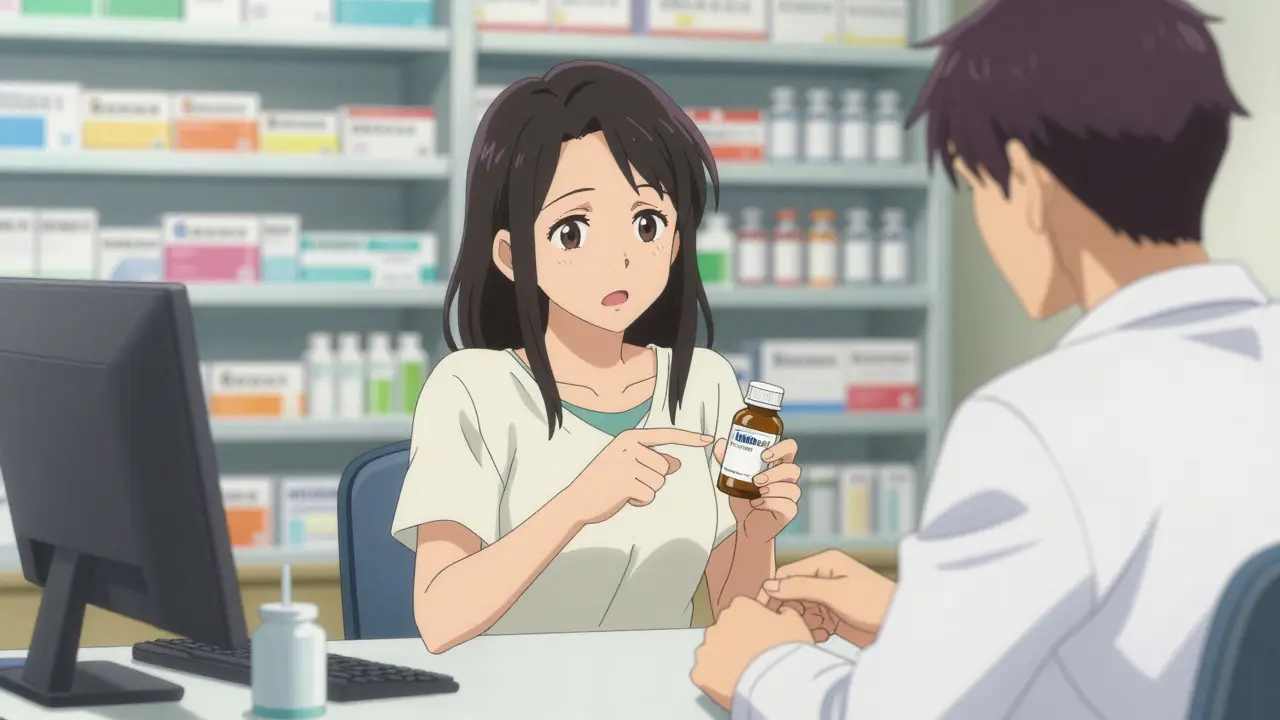
- Consult Your Provider: Before starting any new herbal regimen, talk to your doctor or pharmacist. Bring the actual bottle to your appointment. They can screen your medication list for interactions.
- Watch for Warning Signs: Be alert for breakthrough bleeding, spotting, or changes in your menstrual cycle. These can be early indicators that your birth control is less effective.
- Use Backup Protection: If you must take a high-risk supplement like St. John's wort, use condoms simultaneously. Continue using backup for at least one month after stopping the supplement, as enzyme levels take time to return to normal.
- Space Out Doses: For supplements like activated charcoal, ensure a minimum four-hour gap between taking the supplement and your birth control pill.
- Consider Non-Hormonal Options: If you rely heavily on herbal supplements that interact with hormones, discuss non-hormonal contraceptive methods like copper IUDs or barrier methods with your healthcare provider.
Conclusion: Knowledge Is Power
The intersection of herbal medicine and modern contraception is complex. While many supplements are safe, the stakes of getting it wrong are high. St. John's wort remains the primary concern, with strong evidence linking it to contraceptive failure. Other supplements like soy isoflavones and activated charcoal require careful management. By understanding the mechanisms of interaction and staying informed, you can make safer choices about your health. Always prioritize communication with your healthcare provider to ensure your birth control continues to work as intended.
Does St. John's Wort really make birth control fail?
Yes, St. John's Wort is well-documented to reduce the effectiveness of hormonal birth control. It induces liver enzymes that break down contraceptive hormones faster, leading to lower hormone levels in the blood. Studies show increased rates of breakthrough bleeding and potential contraceptive failure in women taking both.
Is Ashwagandha safe to take with the pill?
Current evidence suggests Ashwagandha is safe to take with hormonal birth control. A 2015 study found it does not affect the enzymes that break down contraceptive hormones. However, always consult your doctor before starting new supplements.
How long should I wait after stopping St. John's Wort to trust my birth control again?
Medical guidelines recommend using backup contraception for at least one month after discontinuing St. John's Wort. This allows your liver enzyme levels to return to baseline, ensuring your birth control hormones are metabolized at the normal rate.
Can I take Vitamin D with birth control?
Yes, Vitamin D is generally considered safe to take with birth control. Unlike herbal supplements like St. John's Wort, standard vitamin supplements do not typically induce the liver enzymes that metabolize contraceptive hormones.
What are the signs that my birth control is less effective?
The most common sign is breakthrough bleeding or spotting between periods. You may also experience shorter or lighter withdrawal bleeds. If you notice these changes after starting a new supplement, contact your healthcare provider immediately.
Does Grapefruit juice interact with birth control?
Grapefruit products, especially concentrated extracts, may alter how oral contraceptives work. The mechanism is complex and not fully understood, but it can affect liver enzymes. It is best to consume grapefruit in moderation and consult your doctor if you are concerned.
Author
